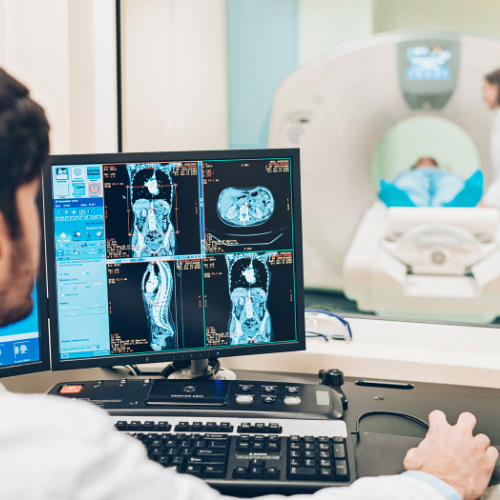
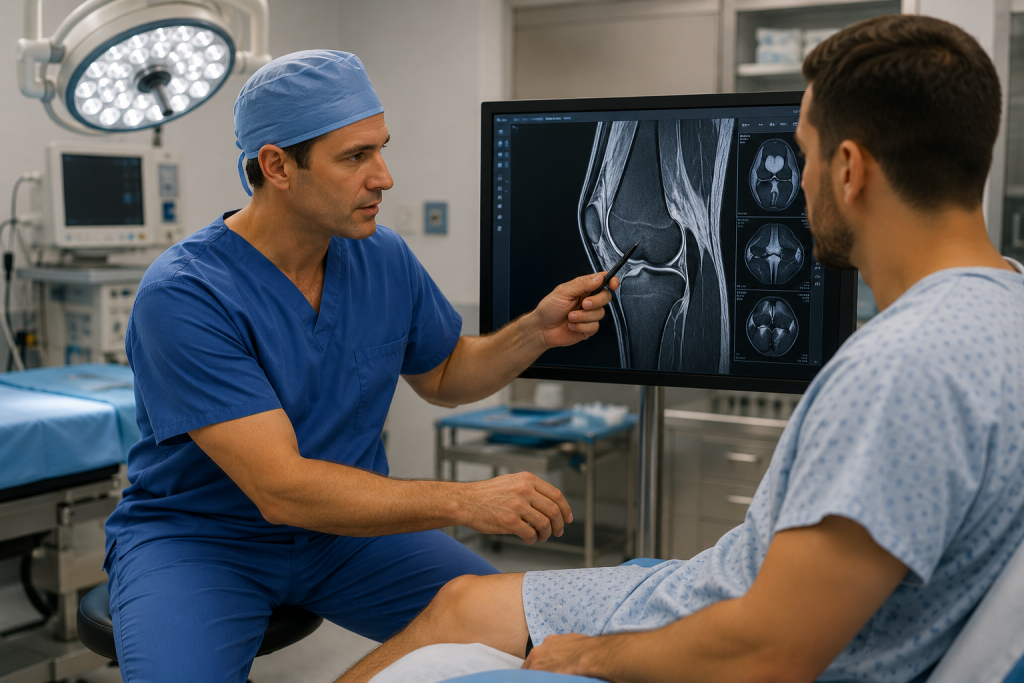
Connect with MRI and diagnostic imaging centers across Georgia that help identify disc injuries, soft tissue damage, spinal conditions, and other injuries caused by car accidents.
Should You Get an MRI After a Car Accident?
An MRI is often recommended after a car accident when pain, numbness, tingling, or weakness continues beyond the first days or weeks, or when a doctor suspects a disc, nerve, ligament, or other soft tissue injury. X rays show bones, but most lingering car accident injuries involve soft tissue that only an MRI can clearly capture.
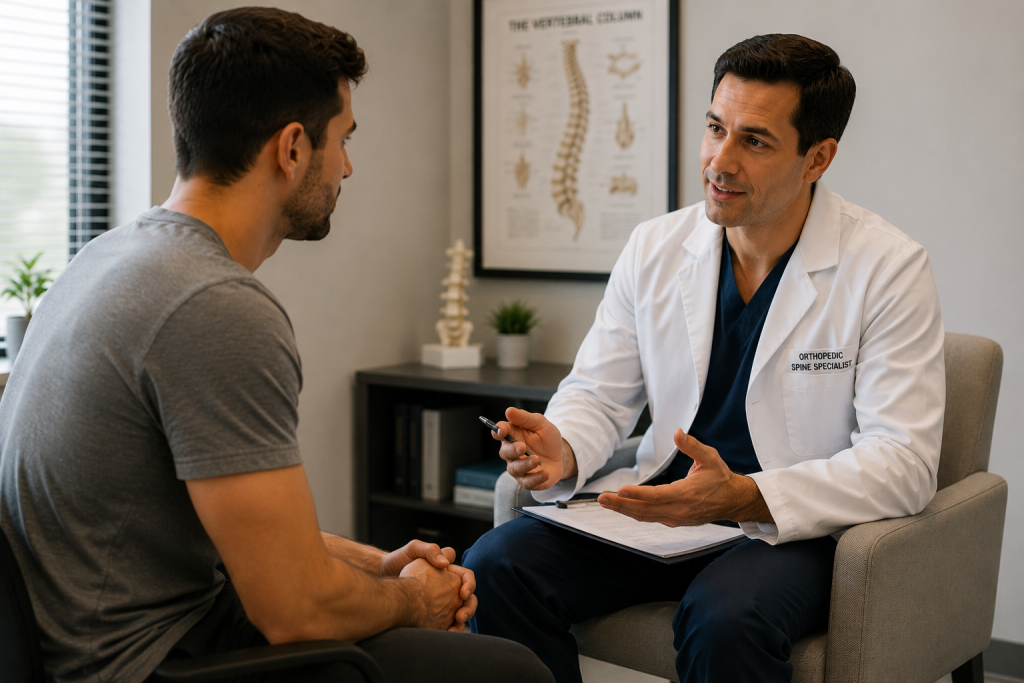
Not every accident requires an MRI. A medical provider such as a chiropractor, orthopedic doctor, or neurologist will typically evaluate your symptoms first and order an MRI when the findings could change your treatment.
WHY MRI IMAGING MATTERS
Why Get an MRI After a Car Accident?
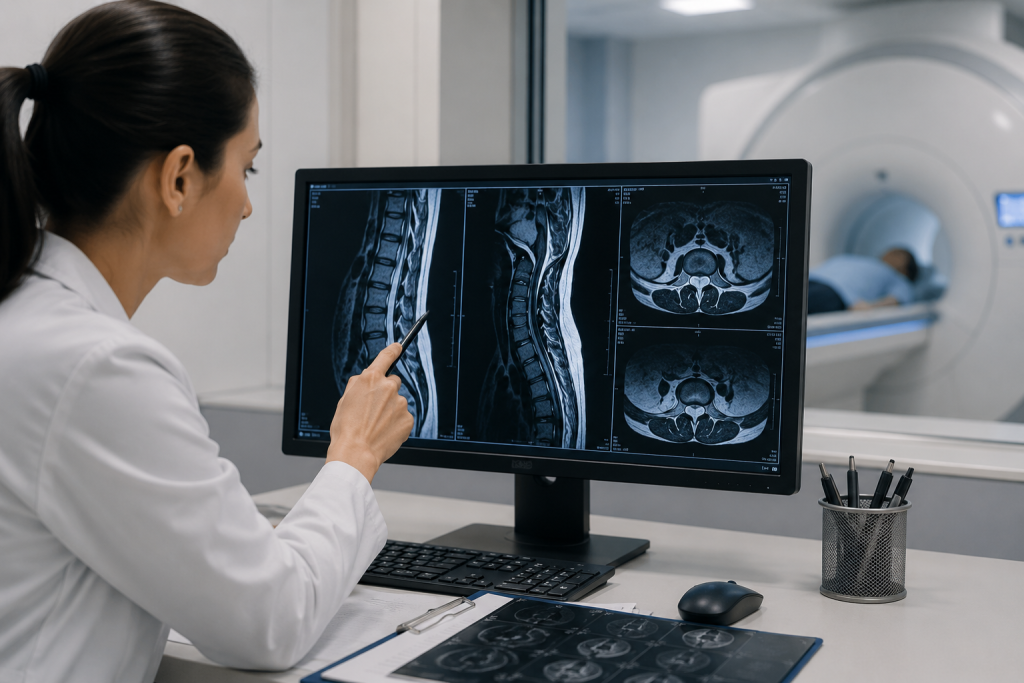
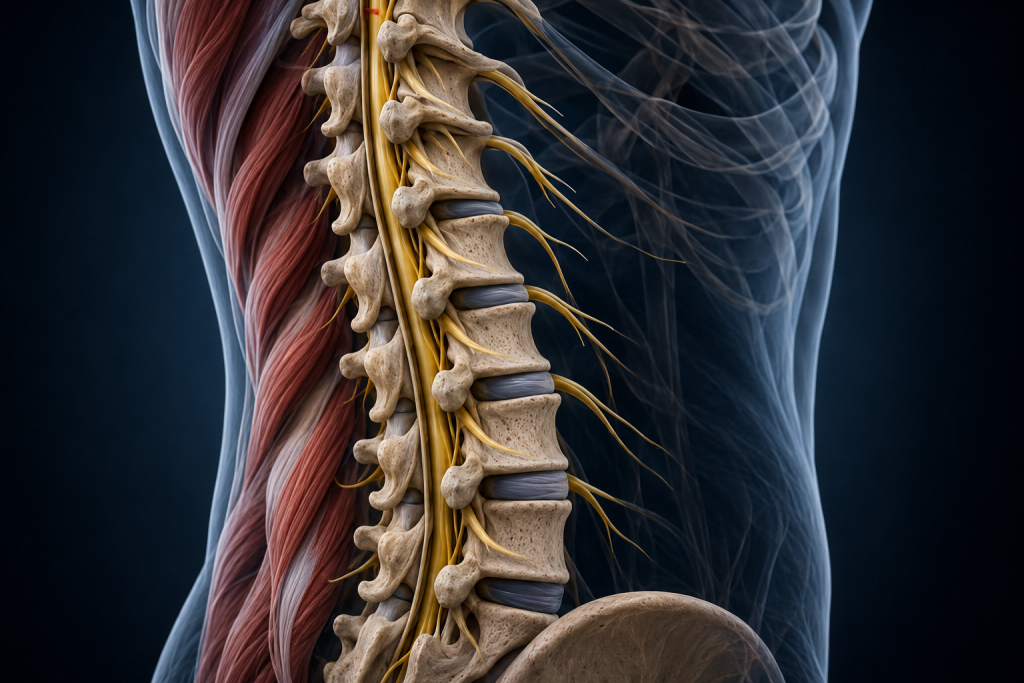
Car accident injuries are not always visible on X rays or immediately obvious after a collision. MRI imaging provides detailed views of the spine, discs, nerves, ligaments, and other soft tissues to help doctors identify injuries and determine the appropriate next steps in your care.
Identify Hidden Injuries
MRI imaging can reveal disc injuries, ligament damage, nerve compression, and other soft tissue conditions that may not appear on X rays.
Find the Source of Pain
Detailed imaging can help doctors understand whether persistent neck pain, back pain, numbness, weakness, or other symptoms are connected to an underlying injury.
See Soft Tissue Damage
MRI scans provide detailed views of discs, muscles, ligaments, tendons, nerves, and other soft tissues affected by a car accident.
Guide Your Treatment
MRI findings can help your medical providers determine whether you may need continued conservative care, injections, specialist evaluation, or other treatment.
COMMON MRI FINDINGS
Injuries an MRI Can Detect After a Car Accident
A car accident can injure the spine, discs, nerves, ligaments, tendons, and joints in ways that X rays cannot fully capture. MRI imaging gives your medical providers a detailed look at these structures so injuries can be identified and treated properly.
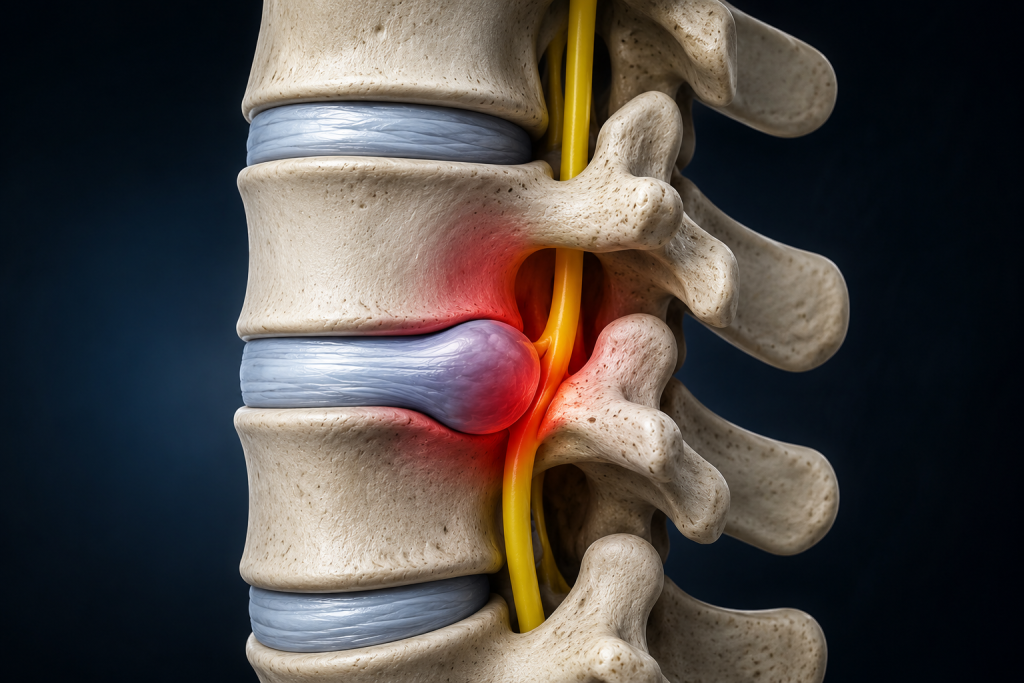
Herniated & Bulging Discs
MRI imaging can provide detailed views of spinal discs and may identify disc bulges, herniations, and other changes affecting the cervical or lumbar spine.
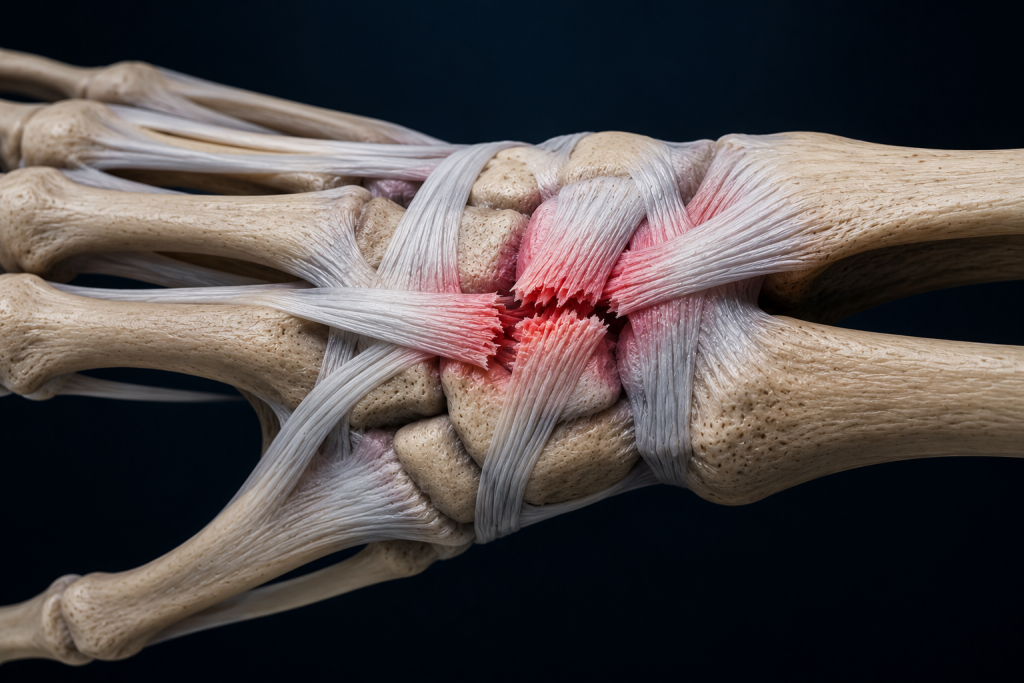
Ligament & Tendon Injuries
MRI scans may reveal sprains, tears, and other injuries involving ligaments and tendons damaged by sudden impact or force during a car accident.
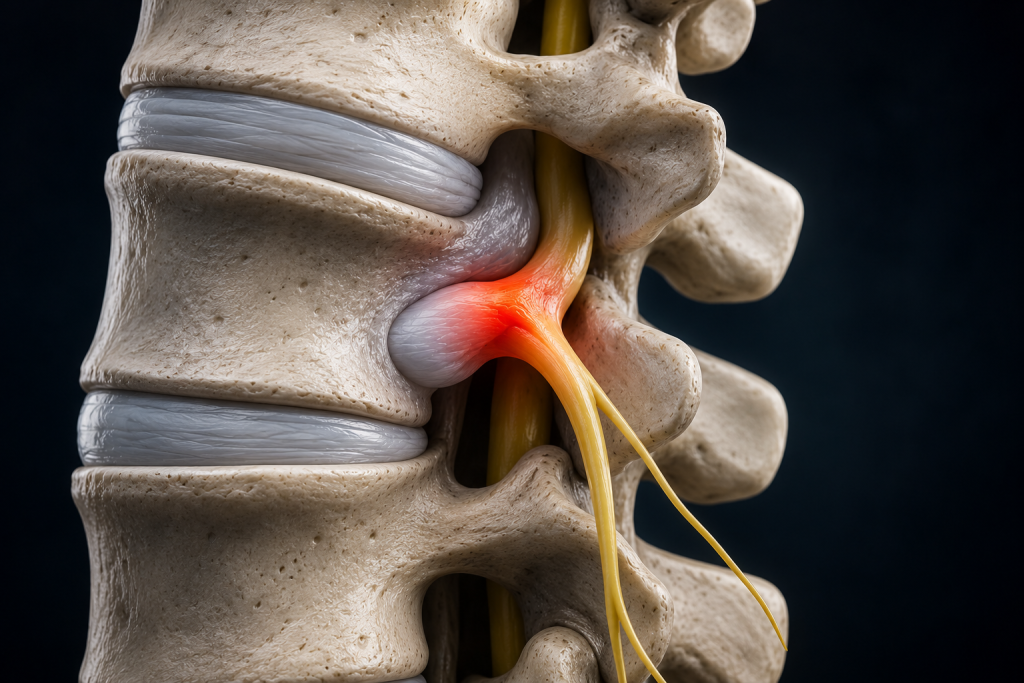
Nerve Compression
MRI imaging can help identify conditions affecting spinal nerves that may contribute to numbness, tingling, weakness, or radiating pain.
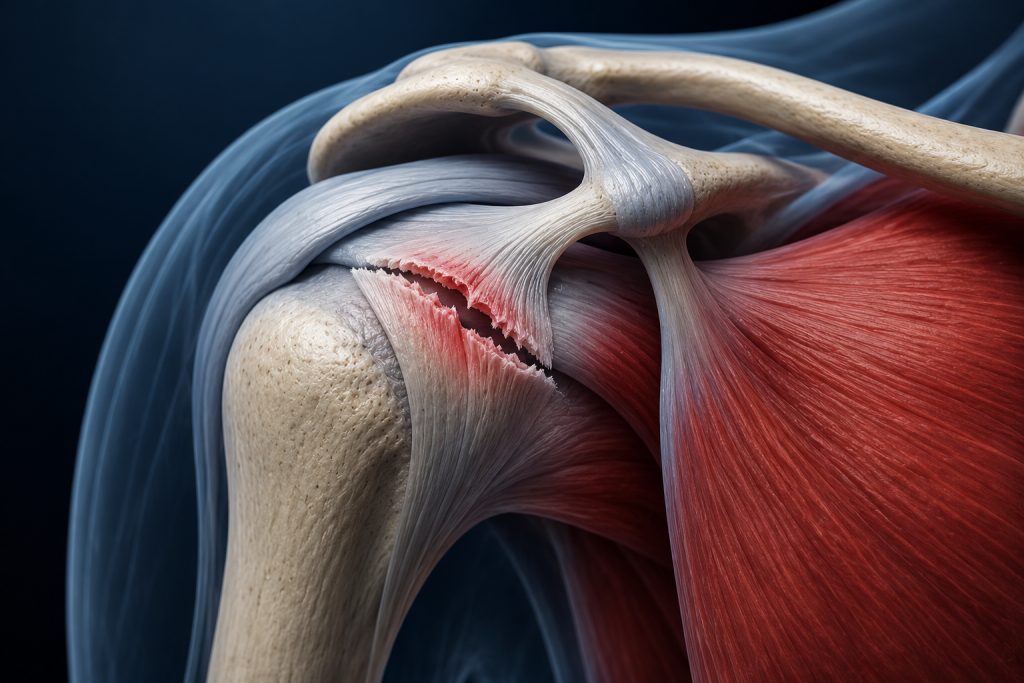
Shoulder & Joint Injuries
Detailed imaging may identify labral tears, rotator cuff injuries, cartilage damage, and other conditions affecting the shoulder and joints.
Spinal & Soft Tissue Injuries
MRI scans provide detailed views of the spine and surrounding soft tissues to help identify injuries that may not be clearly visible on X rays.
YOUR FIRST APPOINTMENT
What to Expect During Your MRI Appointment
An MRI appointment is a noninvasive imaging process designed to capture detailed images of the injured area. From preparation and positioning to the scan itself and review of your results, each step helps your medical providers better understand your injuries.
Review Your MRI Order
The imaging center will review the area your medical provider requested to be scanned and confirm the details of your appointment.
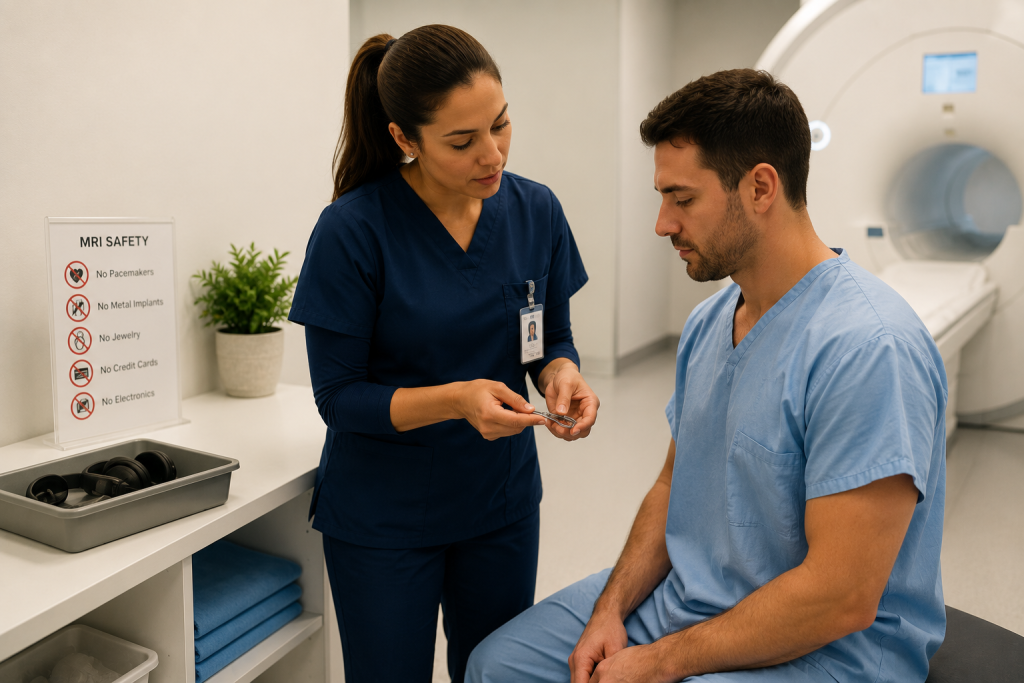
Prepare for Your Scan
You may be asked to remove jewelry, metal objects, or certain clothing and answer safety questions before entering the MRI room.
Positioning for the MRI
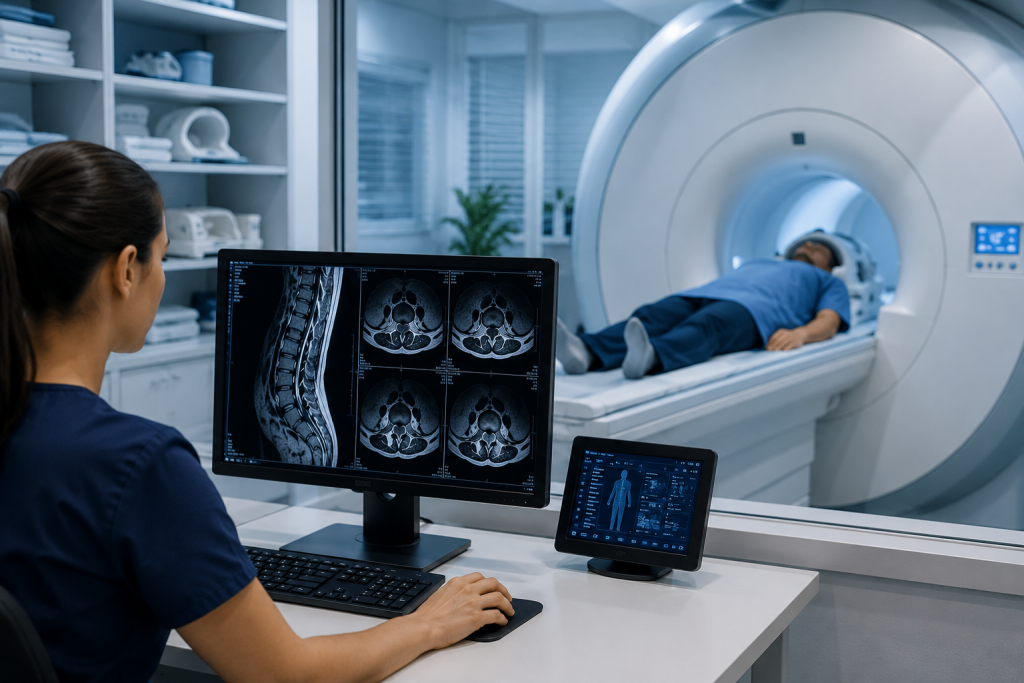
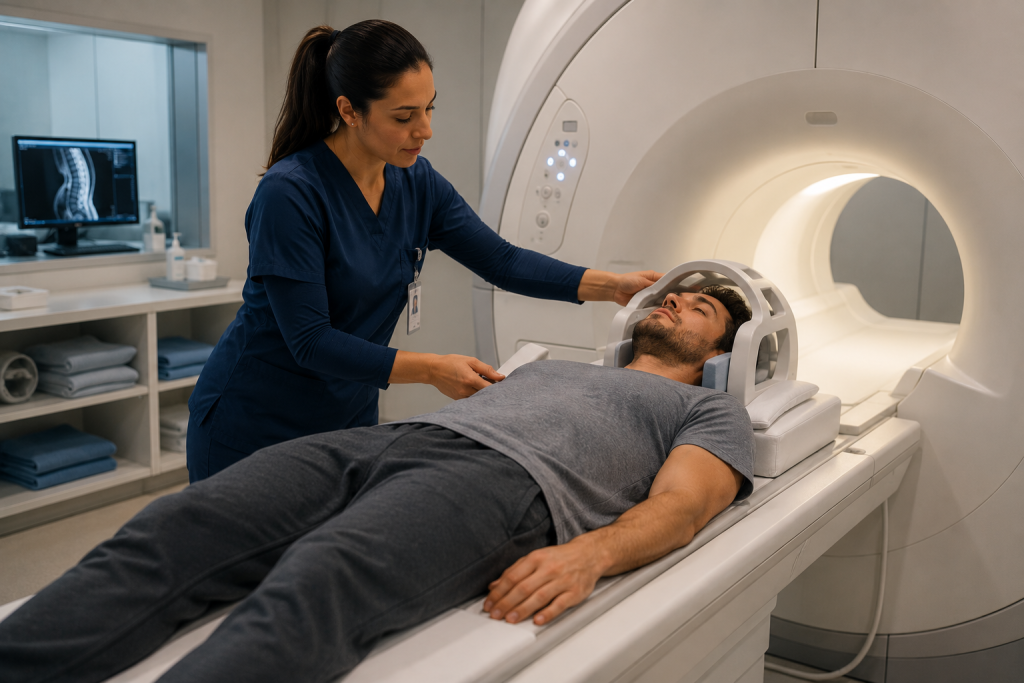
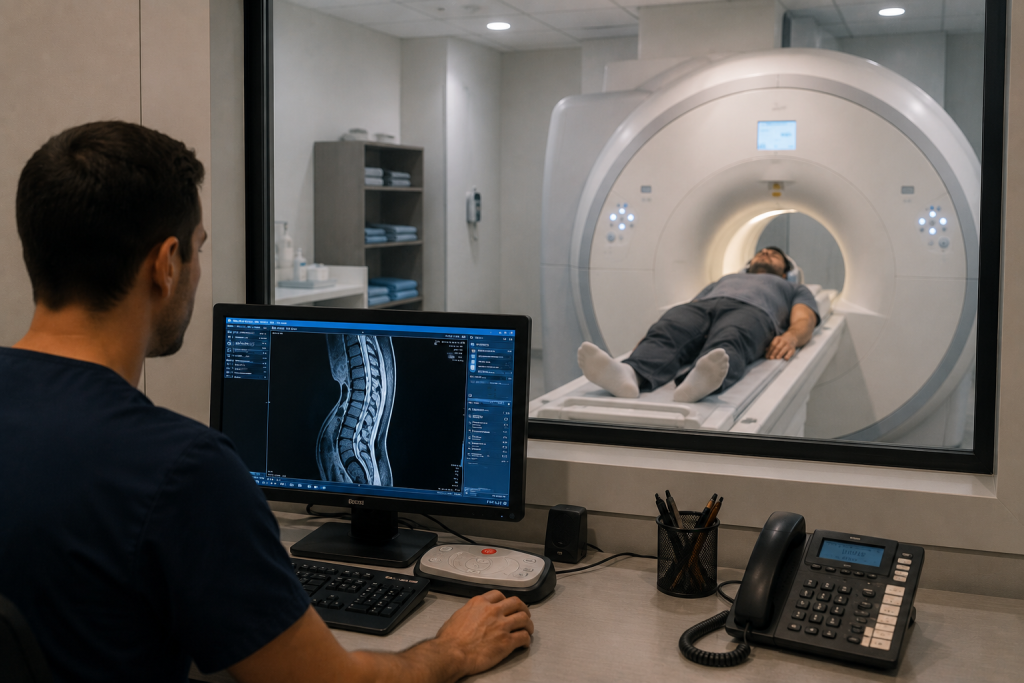
An MRI technologist will position you on the scanning table and help you remain comfortable while preparing the injured area for imaging.
Complete the MRI Scan
The MRI machine captures detailed images while you remain still. You may hear loud knocking or tapping sounds during the scan.
Radiologist Review
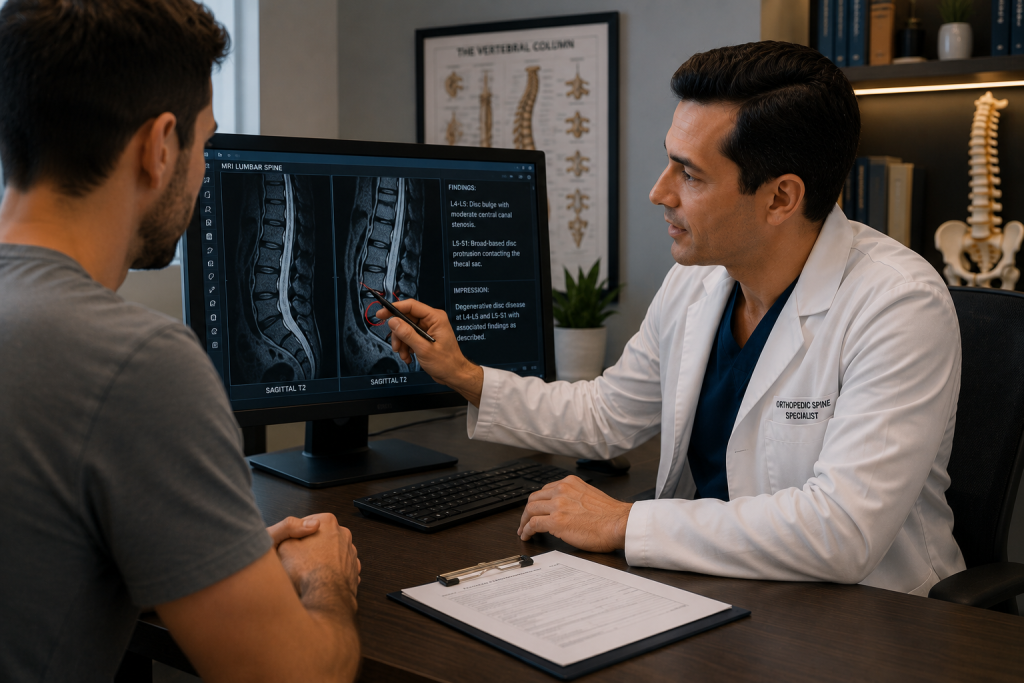
A radiologist reviews the MRI images and prepares a report describing findings that may be relevant to your injuries and symptoms.
Discuss Your Results
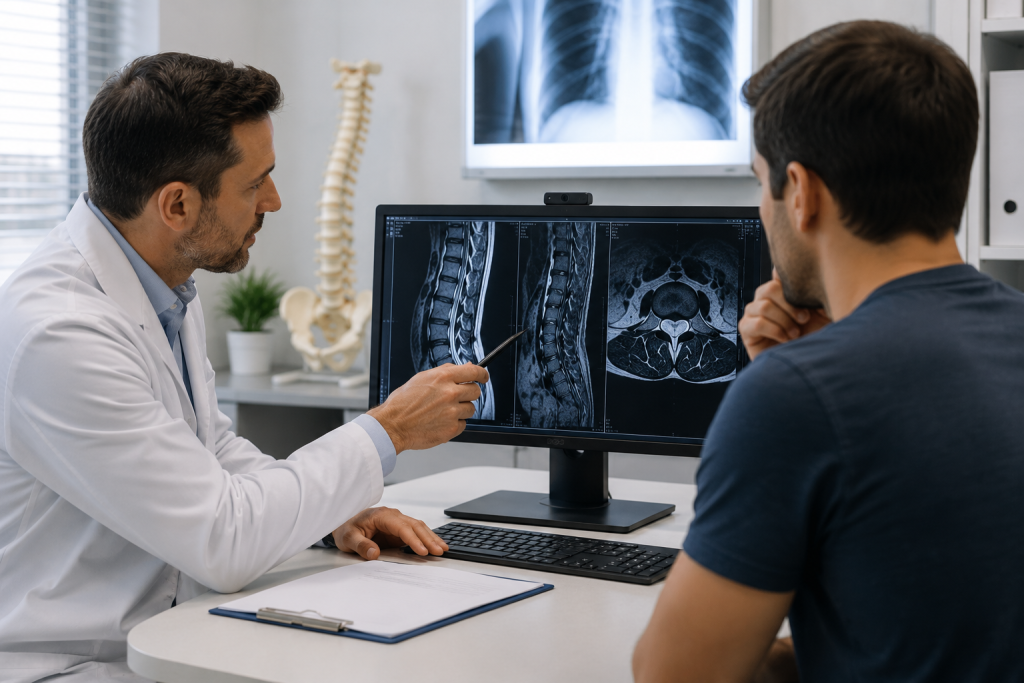
Your medical provider may review the MRI findings with you and determine whether additional treatment, testing, or specialist care is appropriate.
AFTER YOUR MRI
What Happens After Your MRI Results
Your MRI findings help your medical providers decide the next step in your recovery. Depending on what the scan shows, treatment may continue conservatively or move toward more targeted care.
Conservative Care
If the MRI shows soft tissue injuries that can heal with time, your provider may recommend continued chiropractic care, physical therapy, or other conservative treatment.
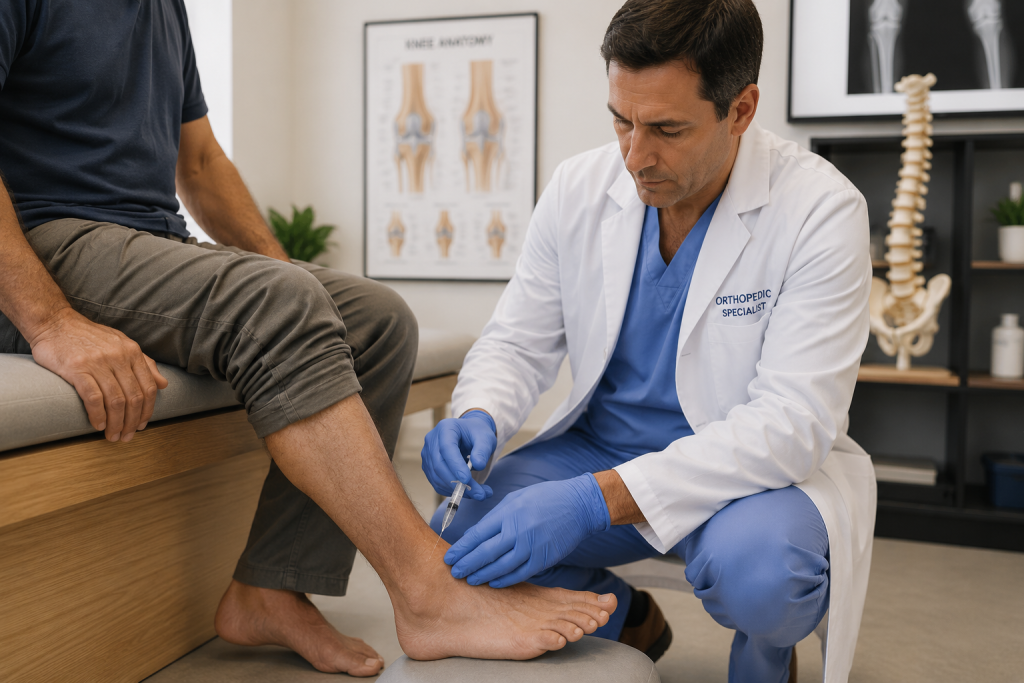
For disc injuries, inflammation, or joint damage seen on an MRI, an orthopedic doctor may recommend targeted injections to reduce pain and support recovery.
Findings such as nerve compression or significant disc herniation may lead to an orthopedic or neurology referral to determine whether advanced treatment is appropriate.
Many people are unsure whether they need an MRI after a car accident, when to get one, or what it can show. Below are answers to the most common questions about MRI imaging after a Georgia car accident.
Should I get an MRI after a car accident?
An MRI may be appropriate if you have pain, numbness, tingling, weakness, or limited mobility that continues after a car accident. MRI imaging is often recommended when a doctor suspects a disc injury, nerve compression, or soft tissue damage that does not appear on an X ray. Your medical provider can determine whether an MRI is appropriate based on your symptoms and examination.
When should I get an MRI after a car accident?
Many providers first evaluate your symptoms and may order X rays before recommending an MRI. An MRI is often ordered when symptoms such as pain, numbness, or weakness persist beyond the first days or weeks, or when a doctor suspects a disc, nerve, ligament, or other soft tissue injury. Severe symptoms may lead to imaging sooner.
What can an MRI show after a car accident?
An MRI can show herniated and bulging discs, nerve compression, ligament and tendon tears, muscle injuries, joint damage, and other soft tissue injuries. MRI imaging provides detailed views of structures that X rays cannot clearly capture.
What is the difference between an X ray and an MRI after a car accident?
X rays primarily show bones and are often used to check for fractures. MRI scans show soft tissues, including discs, nerves, ligaments, tendons, and muscles. Many car accident injuries involve soft tissue, which is why an MRI may be ordered when symptoms continue after a normal X ray.
Can an MRI detect whiplash?
Whiplash itself is a soft tissue injury, and mild cases may not appear on imaging. However, an MRI can identify injuries that sometimes accompany whiplash, such as disc herniations, ligament damage, or nerve involvement, especially when symptoms are severe or persistent.
Do I need a referral to get an MRI in Georgia?
In most cases, an MRI is ordered by a medical provider such as a chiropractor, orthopedic doctor, neurologist, or primary care physician after an evaluation. The order tells the imaging center what area to scan and why.
How long does an MRI take?
Most MRI scans take about 20 to 45 minutes depending on the body part being imaged. You will need to remain still during the scan, and you may hear loud knocking or tapping sounds while images are captured.
Does an MRI hurt?
No. An MRI is painless and noninvasive. Some people feel uncomfortable lying still or being inside the machine. If you are claustrophobic, tell the imaging center in advance, as some centers offer open MRI machines or other accommodations.
Why would my doctor order an MRI weeks after my accident?
Some car accident injuries produce delayed or worsening symptoms. If pain, numbness, or weakness continues or develops after conservative treatment, a provider may order an MRI to look for an underlying injury that was not initially apparent.
What happens after my MRI?
A radiologist reviews the images and prepares a report. Your medical provider then reviews the findings with you and determines the next step, which may include continued conservative care, injections, specialist referral, or other treatment
WE'RE HERE TO HELP
Contact GeorgiaInjury.org
Whether you’re looking for medical care, trying to understand an injury, or simply have questions about recovering after a Georgia car accident, our team is here to point you in the right direction. Reach out today and we’ll help you find the information and resources you need.