Shoulder Injury After a Car Accident: Essential Recovery Guide
Understanding a Shoulder Injury After a Car Accident A shoulder injury after a car accident is more common than many

GEORGIA CAR ACCIDENT CARE
Connect with experienced orthopedic doctors across Georgia who evaluate and treat bone, joint, spine, shoulder, knee, and other musculoskeletal injuries caused by car accidents.
See an orthopedic doctor after a car accident if you have persistent pain, swelling, weakness, or limited movement in your joints, spine, shoulder, knee, or other areas. Orthopedic doctors specialize in bones, joints, muscles, ligaments, and tendons, the structures that absorb most of the force in a collision. Some injuries, such as fractures or ligament tears, need prompt evaluation, while others become apparent only when symptoms fail to improve.
Many people start with a chiropractor or their primary doctor and are referred to an orthopedic specialist when imaging or symptoms point to a structural injury. If you have severe pain, an obvious deformity, or cannot bear weight on a limb, seek immediate medical care.
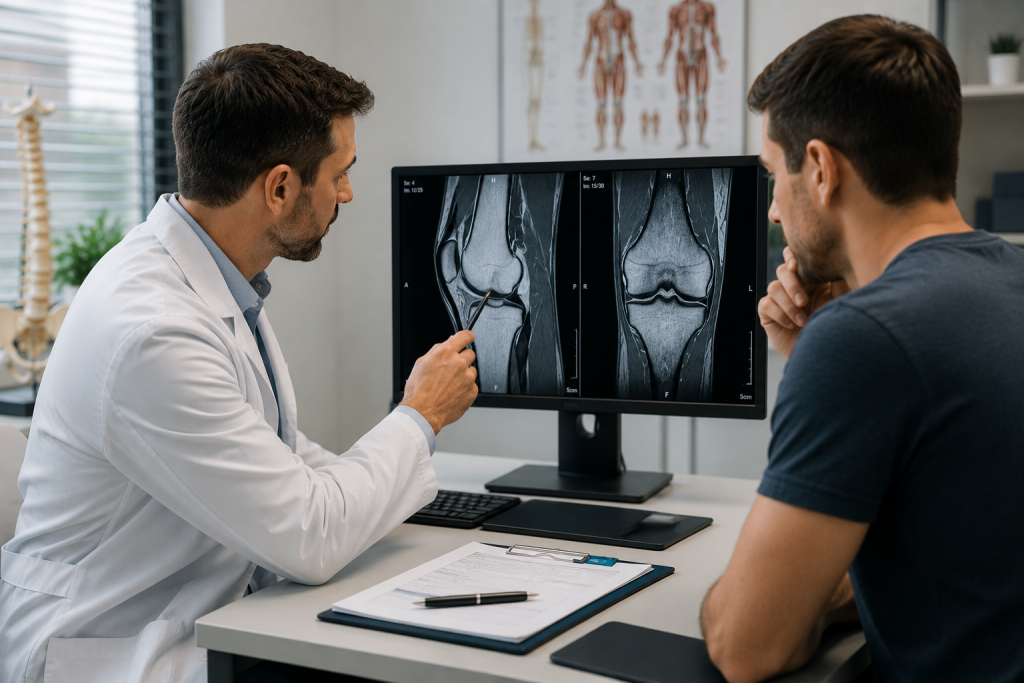
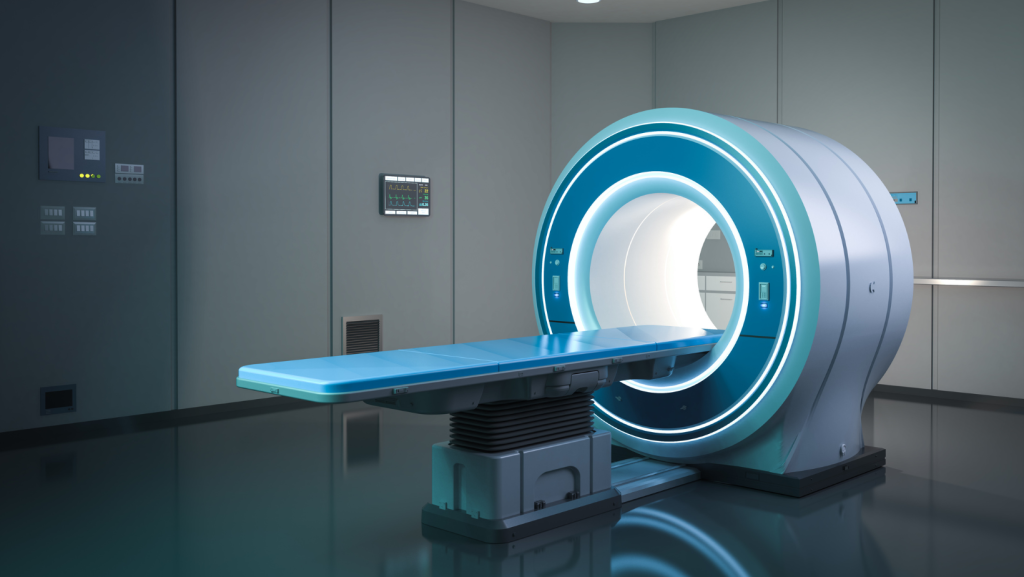
Car accidents can place significant force on the bones, joints, muscles, ligaments, and spine. Orthopedic doctors evaluate musculoskeletal injuries, identify structural damage, and develop treatment plans based on the severity of your condition. If pain, weakness, swelling, or limited movement continues after a collision, an orthopedic evaluation may help identify the cause of your symptoms. In many cases, the doctor may order an MRI after a car accident to confirm disc, ligament, or nerve injuries before finalizing your treatment plan.
Orthopedic evaluations can help identify fractures, joint injuries, ligament damage, and other musculoskeletal conditions caused by a car accident.
Orthopedic doctors evaluate persistent pain, weakness, swelling, and limited movement to help determine the underlying cause of your symptoms.
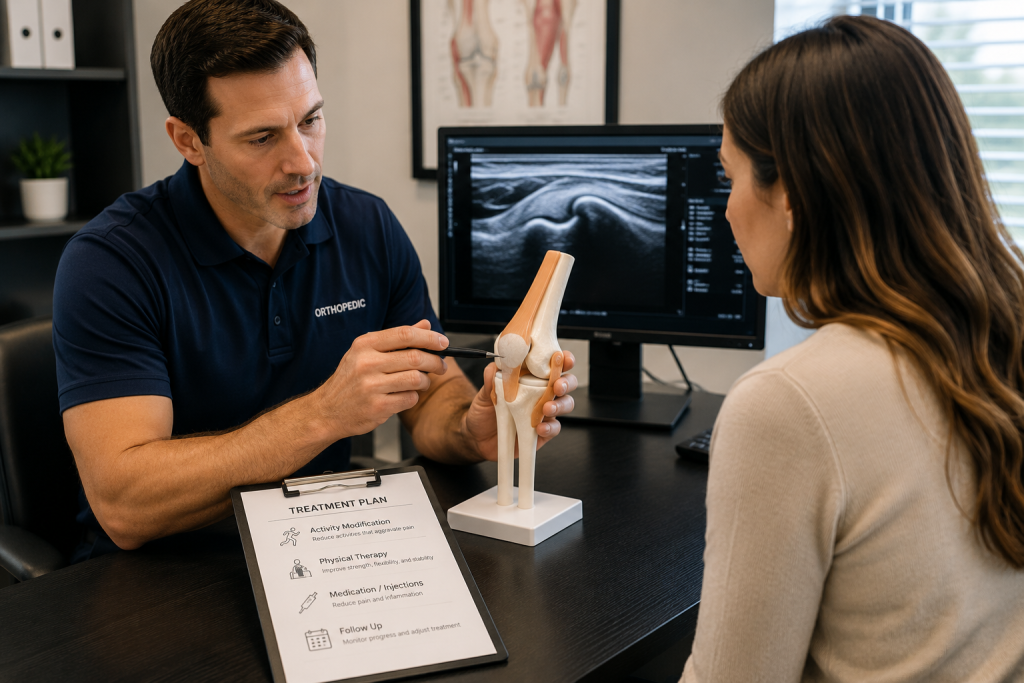
Treatment may include medication, physical therapy, injections, bracing, or other orthopedic care based on the type and severity of your injury.
Orthopedic care monitors your progress and helps determine whether additional treatment or advanced intervention may be necessary.
COMMON ORTHOPEDIC INJURIES
Car accidents can cause significant injuries to the bones, joints, muscles, ligaments, and spine. Orthopedic doctors evaluate musculoskeletal injuries, identify the source of persistent symptoms, and develop treatment plans focused on restoring function and supporting long term recovery.
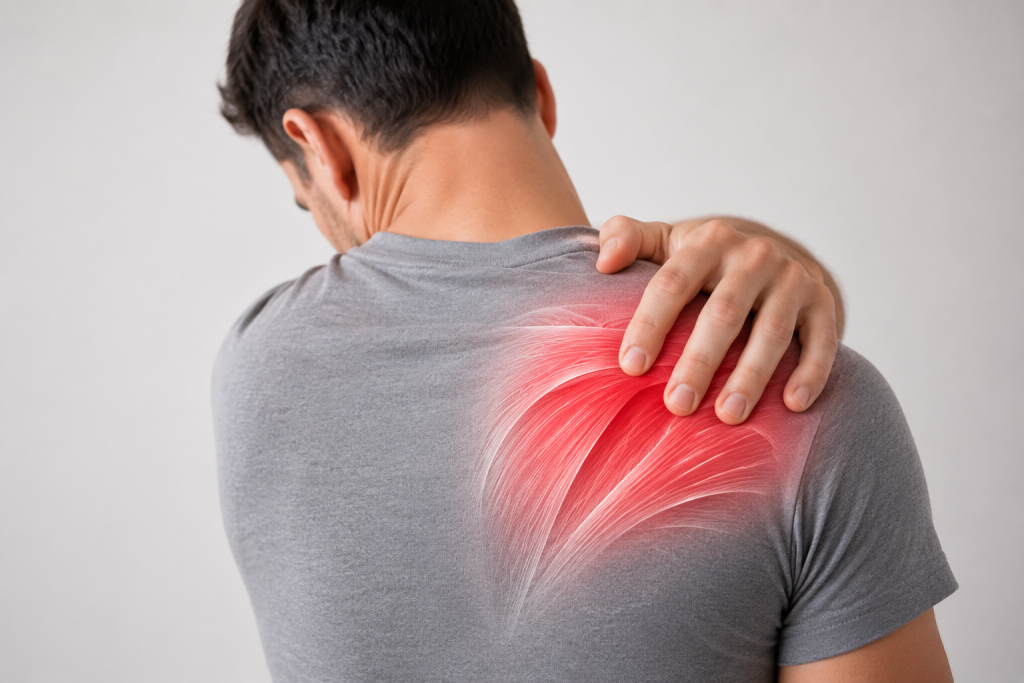
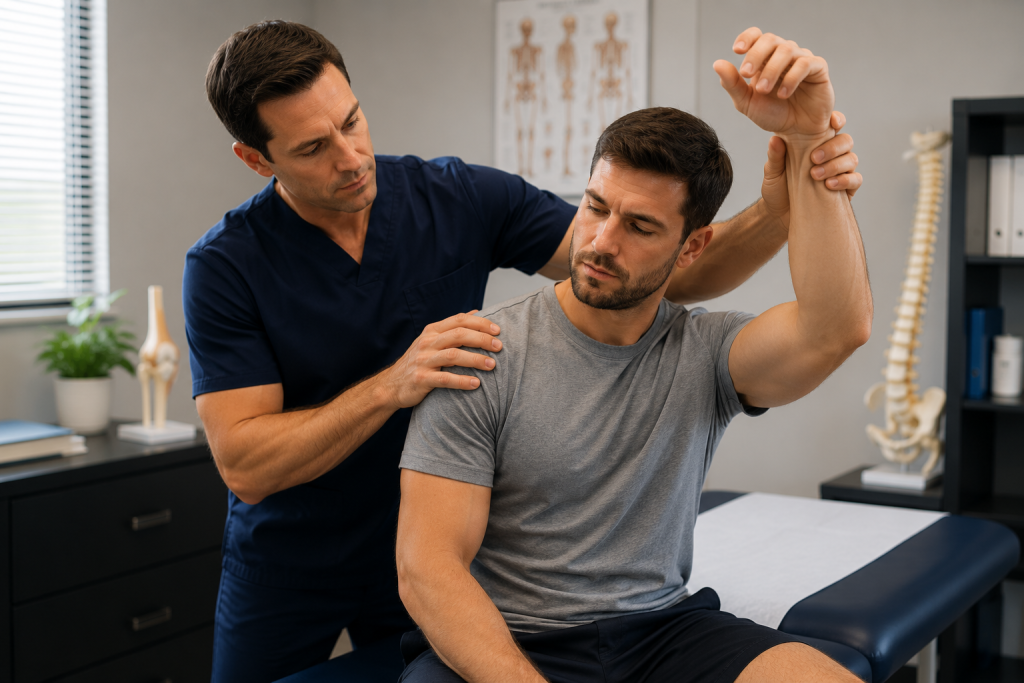
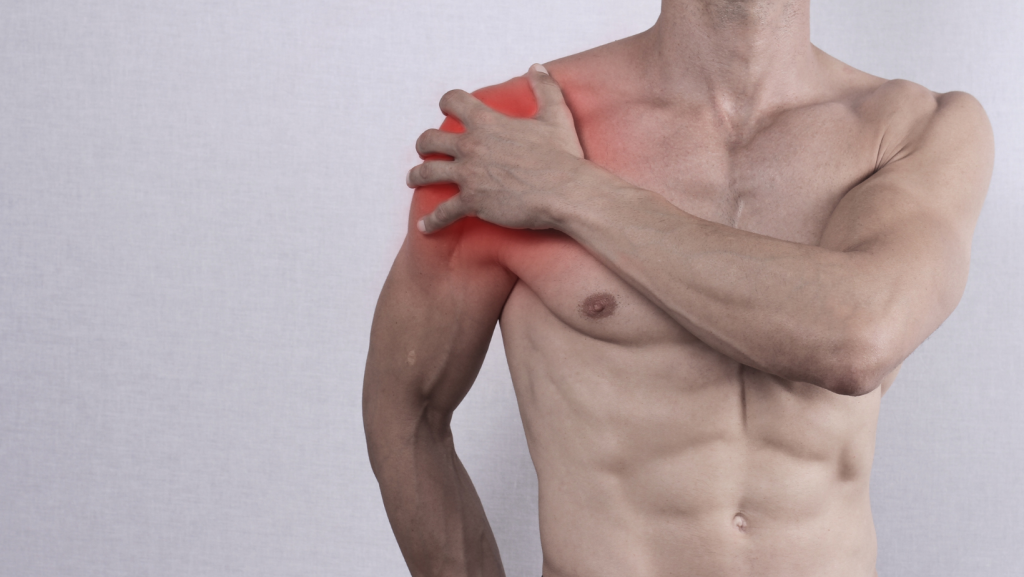
Car accidents can cause rotator cuff tears, labral injuries, impingement, and shoulder instability. These injuries may cause pain, weakness, and limited range of motion.
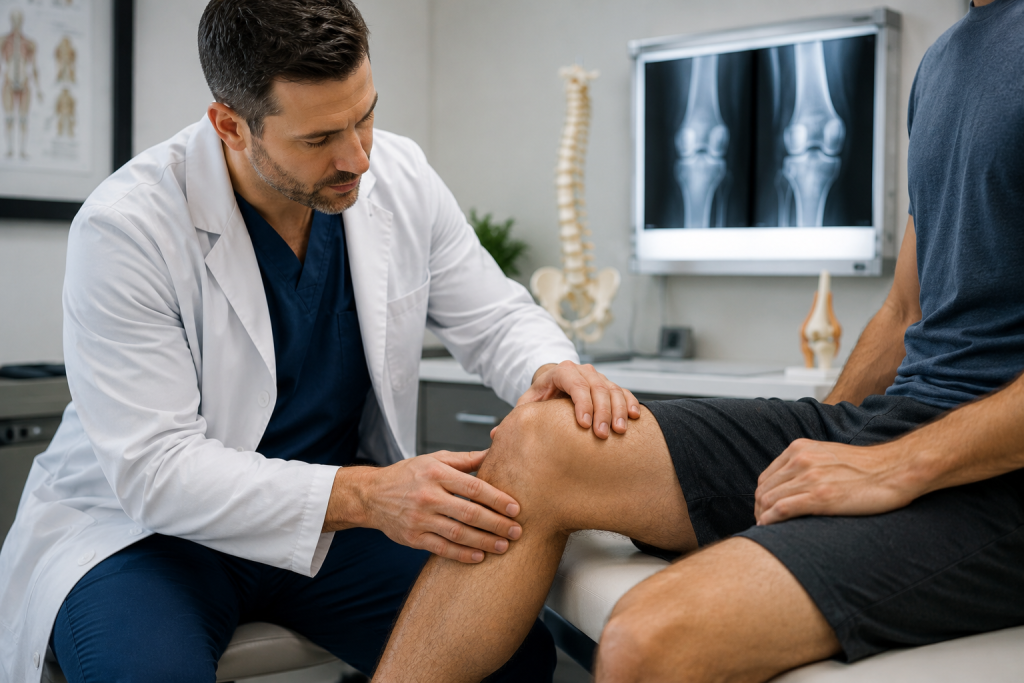
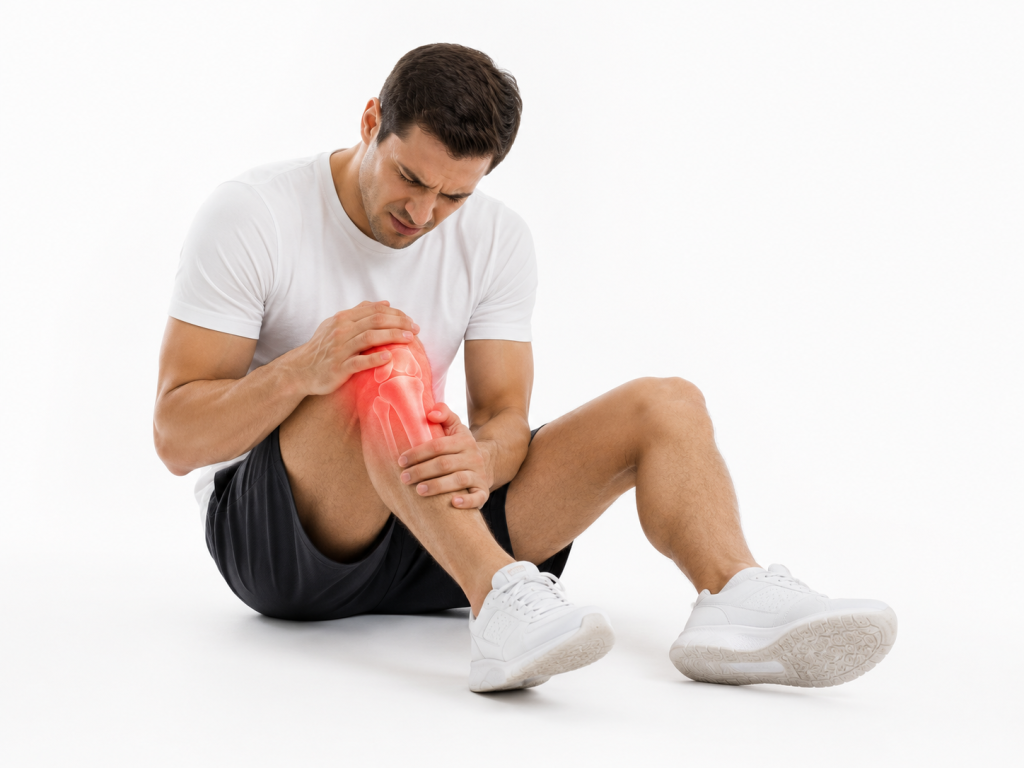
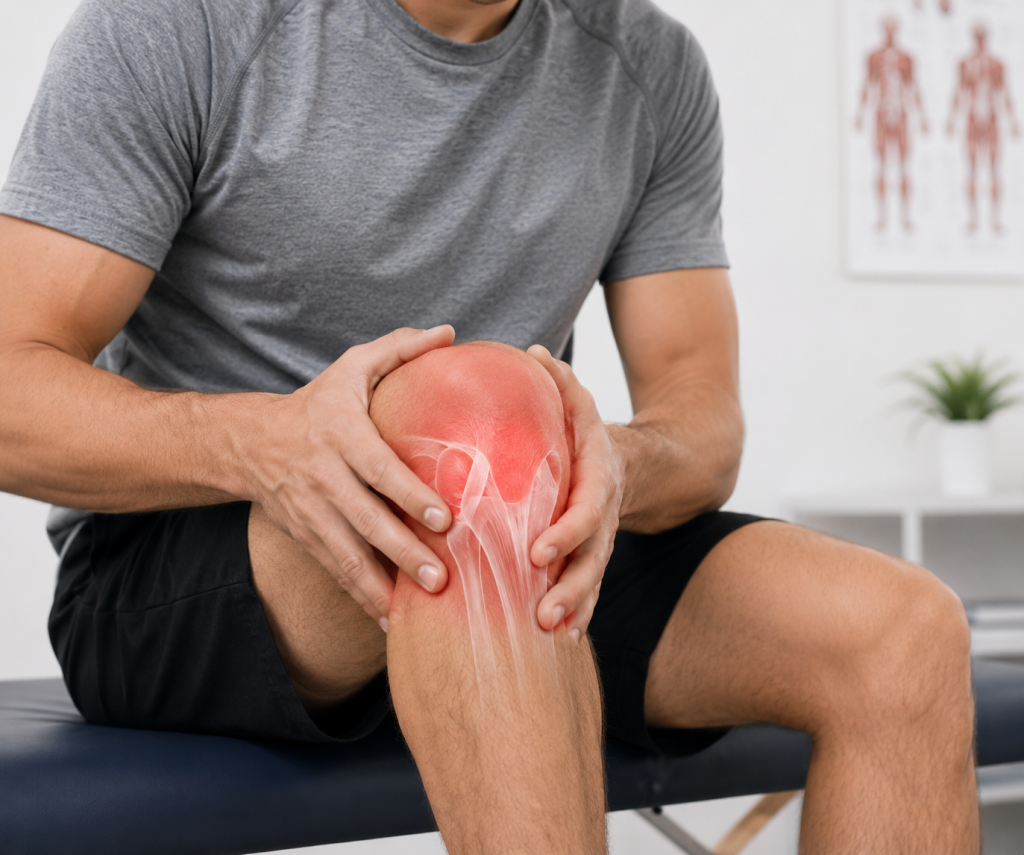
Direct impact and twisting forces during a collision can injure the meniscus, ACL, MCL, and other knee structures, causing pain, swelling, and difficulty walking.
Collision forces can damage spinal discs and surrounding structures. Herniated discs may cause neck or back pain, numbness, tingling, weakness, or radiating pain.
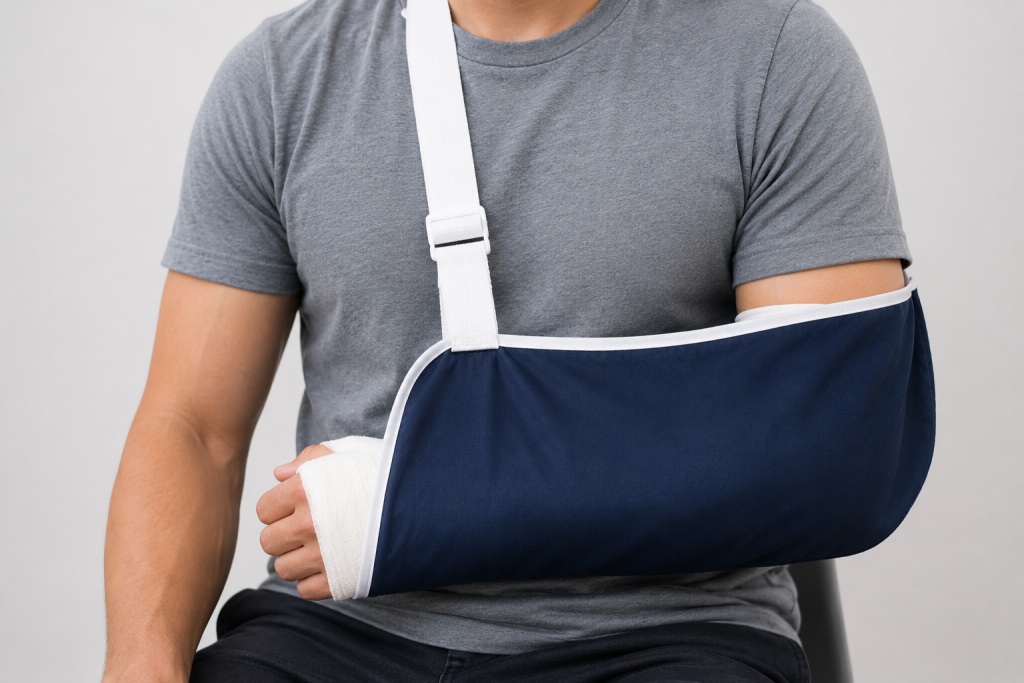
The force of a car accident can fracture bones in the arms, legs, ribs, shoulders, and other areas. Orthopedic care helps diagnose the injury and determine the appropriate treatment.
Sudden impact and twisting forces can stretch or tear ligaments and tendons. These injuries may cause pain, instability, weakness, swelling, and limited movement.
YOUR FIRST APPOINTMENT
Your first orthopedic visit is focused on understanding your injuries, evaluating your symptoms, and identifying damage affecting your bones, joints, muscles, or spine. From your initial consultation to diagnostic imaging and treatment recommendations, each step is designed to identify the source of your pain and develop an appropriate recovery plan.
Review your car accident, symptoms, medical history, previous treatment, and current concerns.
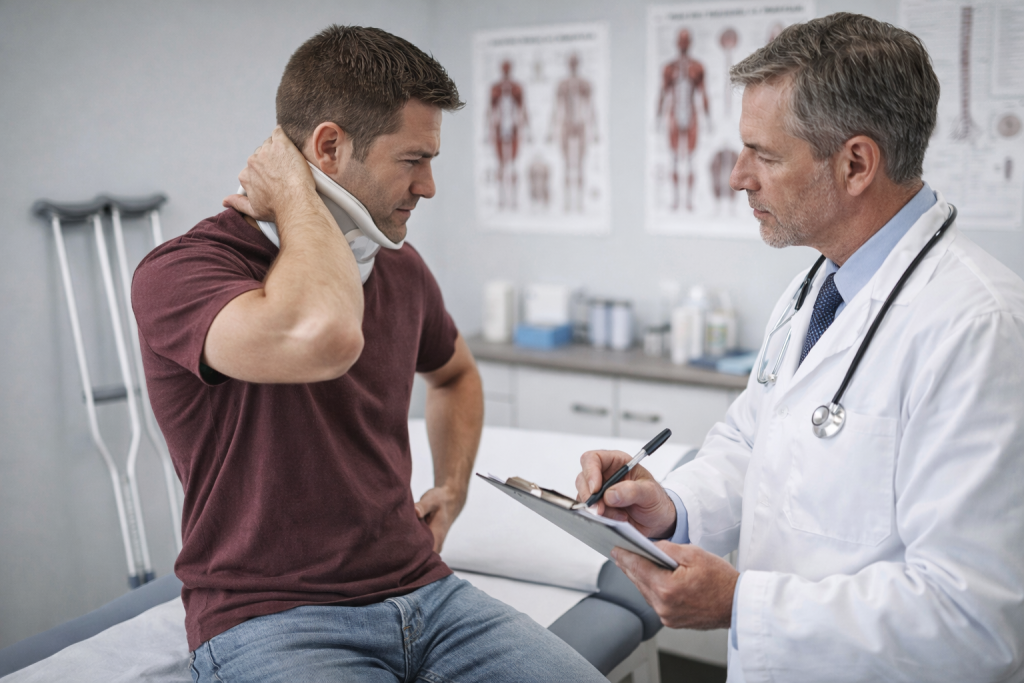
Your orthopedic doctor may evaluate range of motion, strength, joint stability, tenderness, and areas of pain.
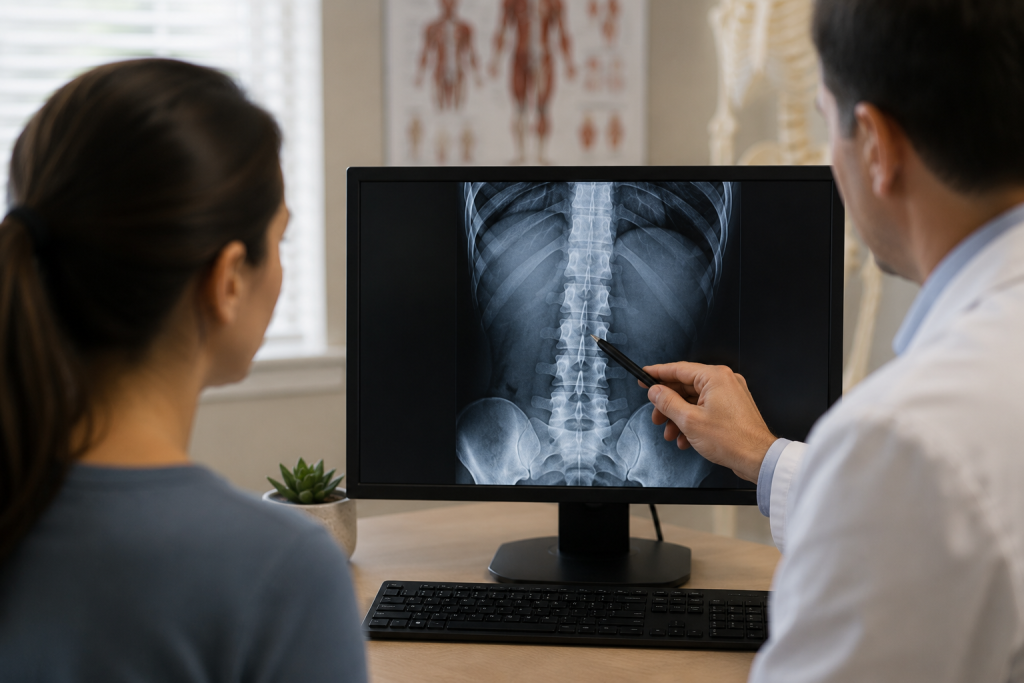
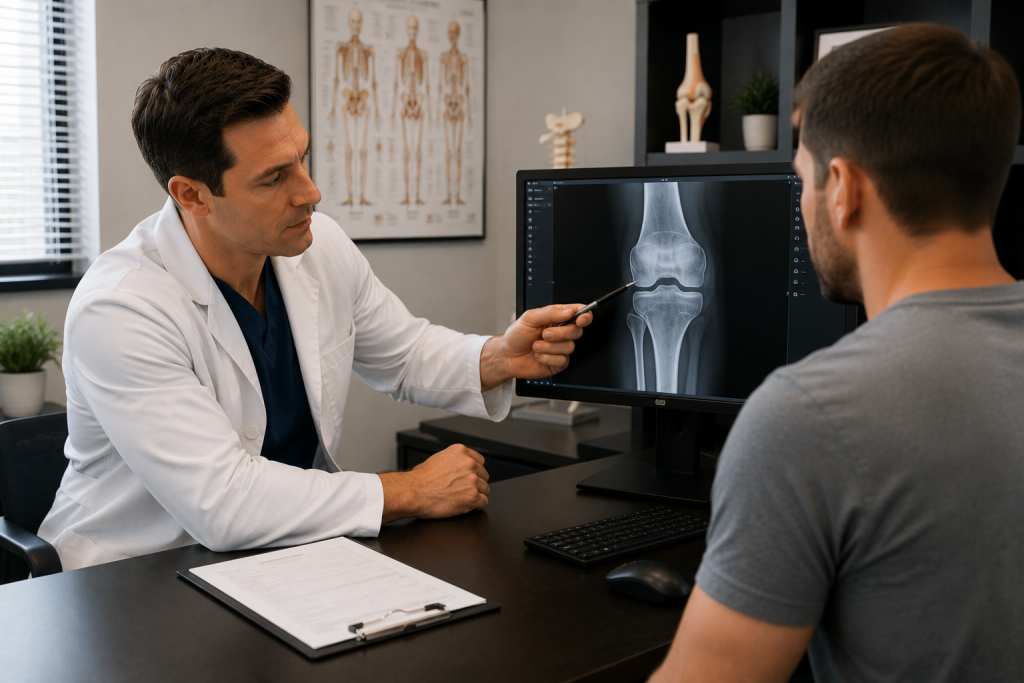
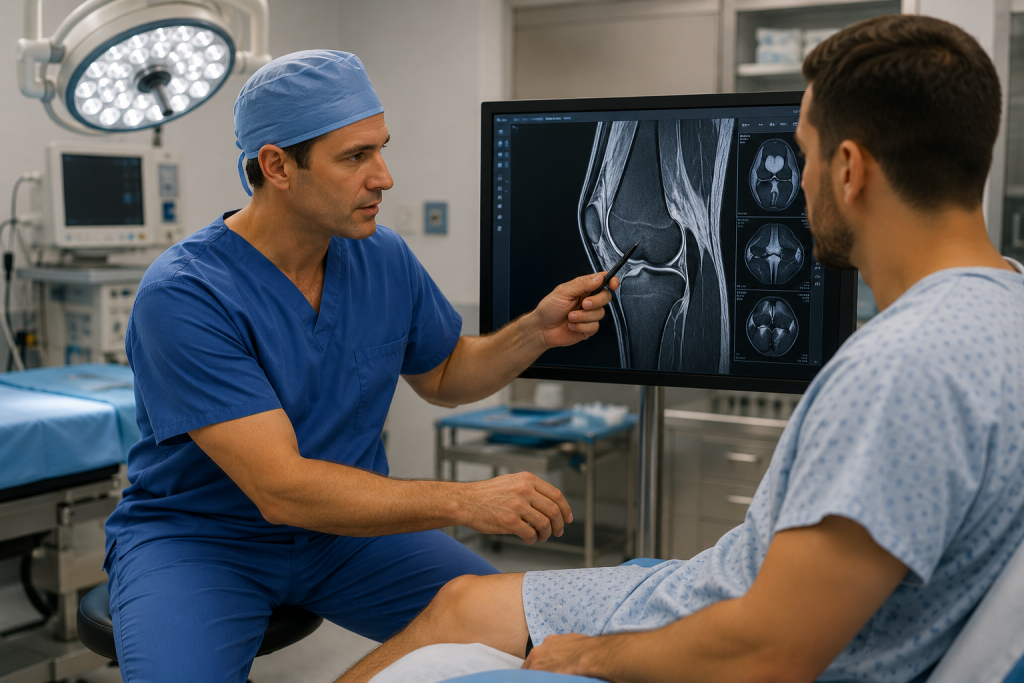
X rays, MRI scans, or other imaging may be reviewed or ordered to better understand your injuries.
Based on your diagnosis, your doctor may recommend therapy, medication, injections, or other treatment options.
Your progress may be monitored over time to evaluate healing and determine whether additional care is needed.
ADVANCED ORTHOPEDIC CARE
Some car accident injuries do not improve with conservative treatment alone. Depending on your diagnosis, symptoms, and recovery, an orthopedic doctor may recommend advanced imaging, injections, or surgical evaluation to address the underlying injury and determine the appropriate next step.
Persistent joint, spine, shoulder, or knee pain may require X rays or MRI imaging to identify fractures, disc injuries, ligament tears, and other structural damage.
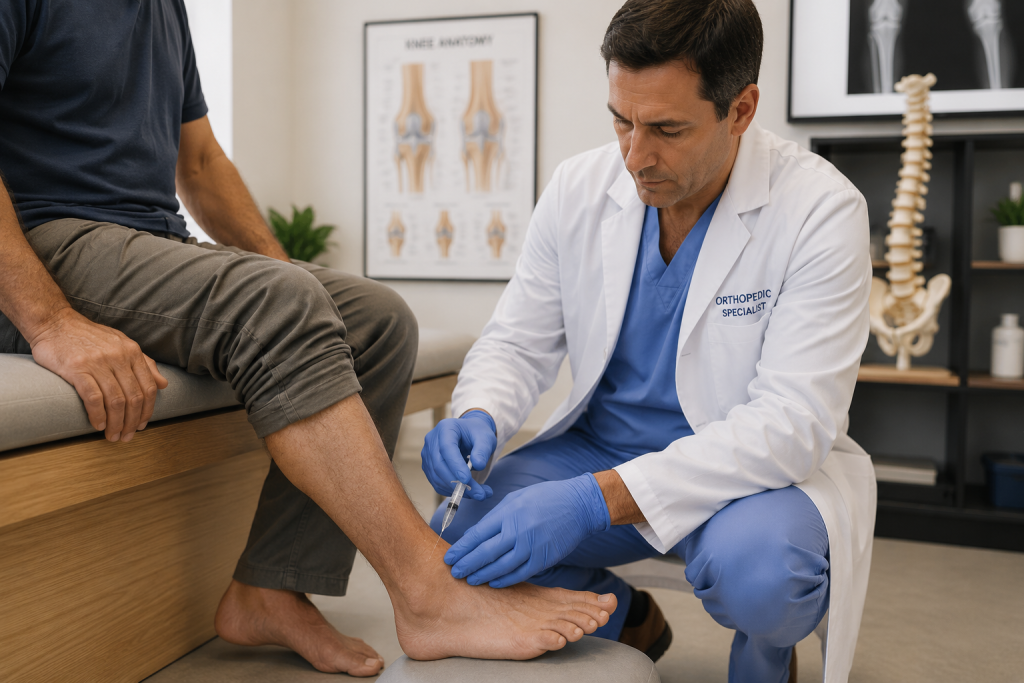
Orthopedic doctors may recommend targeted injections to reduce inflammation, relieve pain, and help determine whether additional treatment may be necessary.
Severe or persistent orthopedic injuries may require a surgical evaluation to determine whether conservative care is sufficient or a procedure may be appropriate.
FREQUENTLY ASKED QUESTIONS
Finding the right orthopedic care after a car accident can feel overwhelming. Below are answers to common questions about orthopedic injuries, diagnostic imaging, treatment options, recovery, and what to expect during your care.
If you have persistent pain, swelling, weakness, limited mobility, or joint and spine symptoms after a car accident, an orthopedic evaluation may help identify injuries affecting your bones, joints, muscles, ligaments, tendons, or spine.
You should seek medical care as soon as possible if you are experiencing significant pain, swelling, weakness, or difficulty moving after a car accident. Some orthopedic injuries may become more noticeable in the hours or days following a collision.
Orthopedic doctors evaluate fractures, herniated discs, spine injuries, shoulder injuries, knee injuries, ligament tears, tendon injuries, joint damage, and other musculoskeletal conditions caused by car accidents.
Some severe car accident injuries may require surgery, but many orthopedic conditions are initially treated with conservative care, therapy, medication, or injections. Your orthopedic doctor can determine whether a surgical evaluation is appropriate.
An MRI may be recommended when pain, numbness, weakness, or limited mobility continues or when a doctor suspects damage to discs, ligaments, tendons, joints, or other soft tissues that may not appear clearly on an X ray.
Depending on your injury, an orthopedic doctor may recommend corticosteroid injections, epidural steroid injections, joint injections, or other targeted treatments designed to reduce inflammation and relieve pain.
The length of orthopedic treatment depends on the type and severity of your injury, your response to treatment, and whether additional procedures are needed. Some injuries improve within weeks, while more serious conditions may require longer term care.
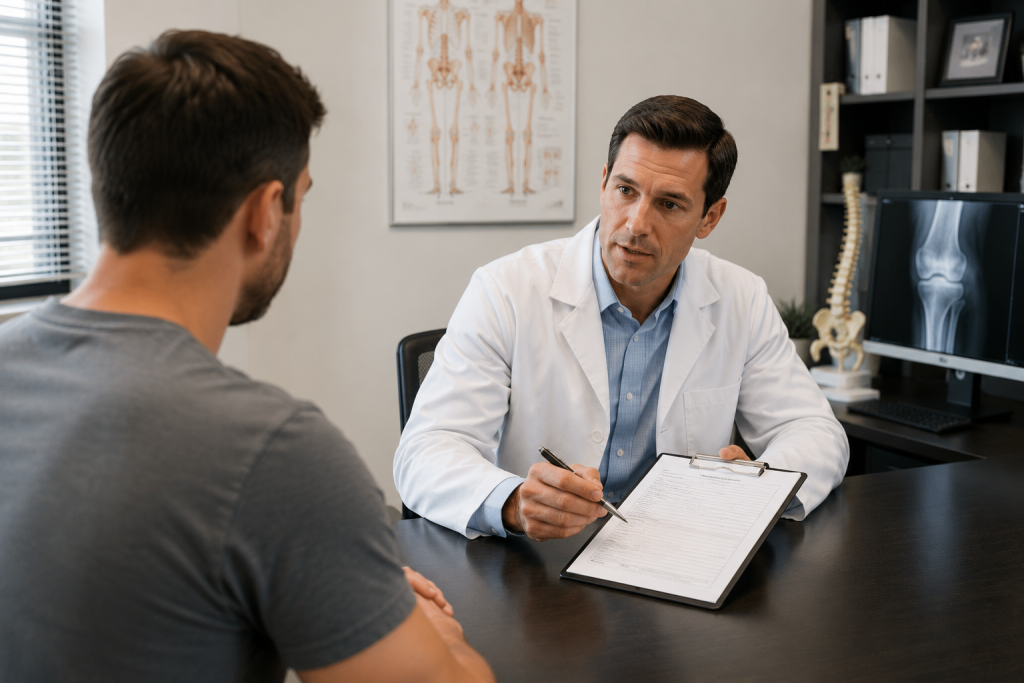
Your first orthopedic appointment may include a review of your car accident, symptoms, medical history, and previous treatment. The doctor may also perform a physical examination, review imaging, or order additional diagnostic testing.
Coverage for orthopedic treatment may depend on the circumstances of the accident, available insurance coverage, and your specific claim. The orthopedic provider can often help document the treatment and injuries related to your collision.
Look for an orthopedic doctor experienced in evaluating car accident injuries and the specific area of your body that is injured. GeorgiaInjury.org helps connect injured individuals with medical providers across Georgia based on their injuries and treatment needs.
WE'RE HERE TO HELP
Whether you’re looking for medical care, trying to understand an injury, or simply have questions about recovering after a Georgia car accident, our team is here to point you in the right direction. Reach out today and we’ll help you find the information and resources you need.

Understanding a Shoulder Injury After a Car Accident A shoulder injury after a car accident is more common than many


Why Back Pain After a Car Accident Is So Common Experiencing back pain after a car accident is one of