GEORGIA CAR ACCIDENT RECOVERY
We'll Help You Find the Right Medical Care.
Not sure where to go after a crash? GeorgiaInjury.org helps you understand your injuries, explore treatment options, and take the next step toward recovery.
AFTER A GEORGIA CAR ACCIDENT
The hours and days after a car accident can be confusing. Taking the right steps can protect your health, support your recovery, and help you avoid common mistakes. Follow these simple steps to move forward with confidence.
Move to a safe location if possible and check yourself and others for injuries. Call 911 immediately if anyone is seriously hurt or needs emergency medical attention.
A police report provides an official record of the accident and can be valuable later. Stay at the scene until law enforcement says you can leave.
Take photos of the vehicles, road conditions, traffic signs, injuries, and anything else related to the crash. Collect contact and insurance information from everyone involved.
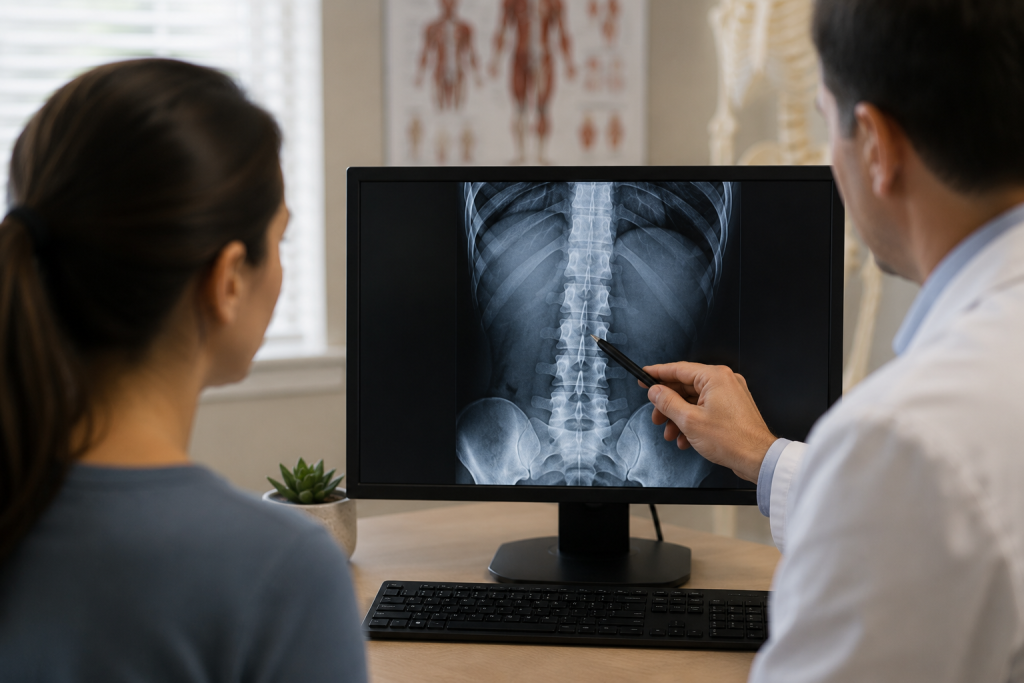
Even if you feel okay, many injuries such as whiplash, concussions, and soft tissue damage may not appear immediately. Early evaluation helps identify hidden injuries before they worsen.
Attend your appointments, follow your provider’s recommendations, and monitor how your symptoms change. Consistent treatment supports your recovery and helps your healthcare providers track your progress.
Understanding your diagnosis helps you make informed decisions about your care. Explore our guides covering common accident injuries, treatments, and recovery timelines.
FIND THE RIGHT MEDICAL CARE
Every injury is different, and so is every recovery. Learn how chiropractors, orthopedic specialists, neurologists, and advanced imaging providers each play an important role in diagnosing injuries, relieving pain, and helping you recover after a Georgia car accident.
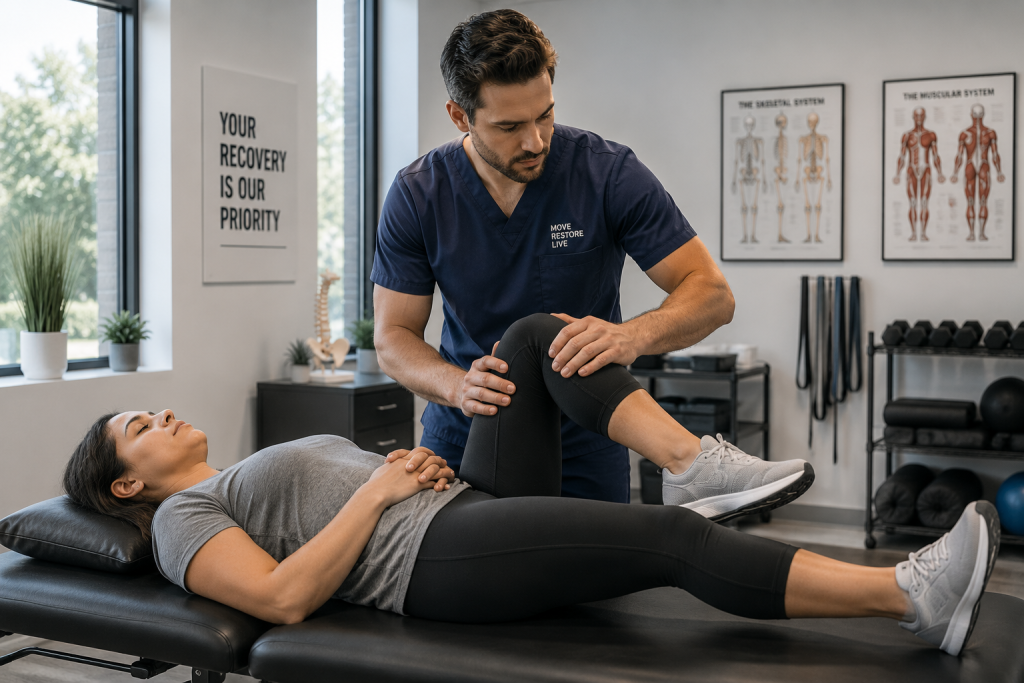
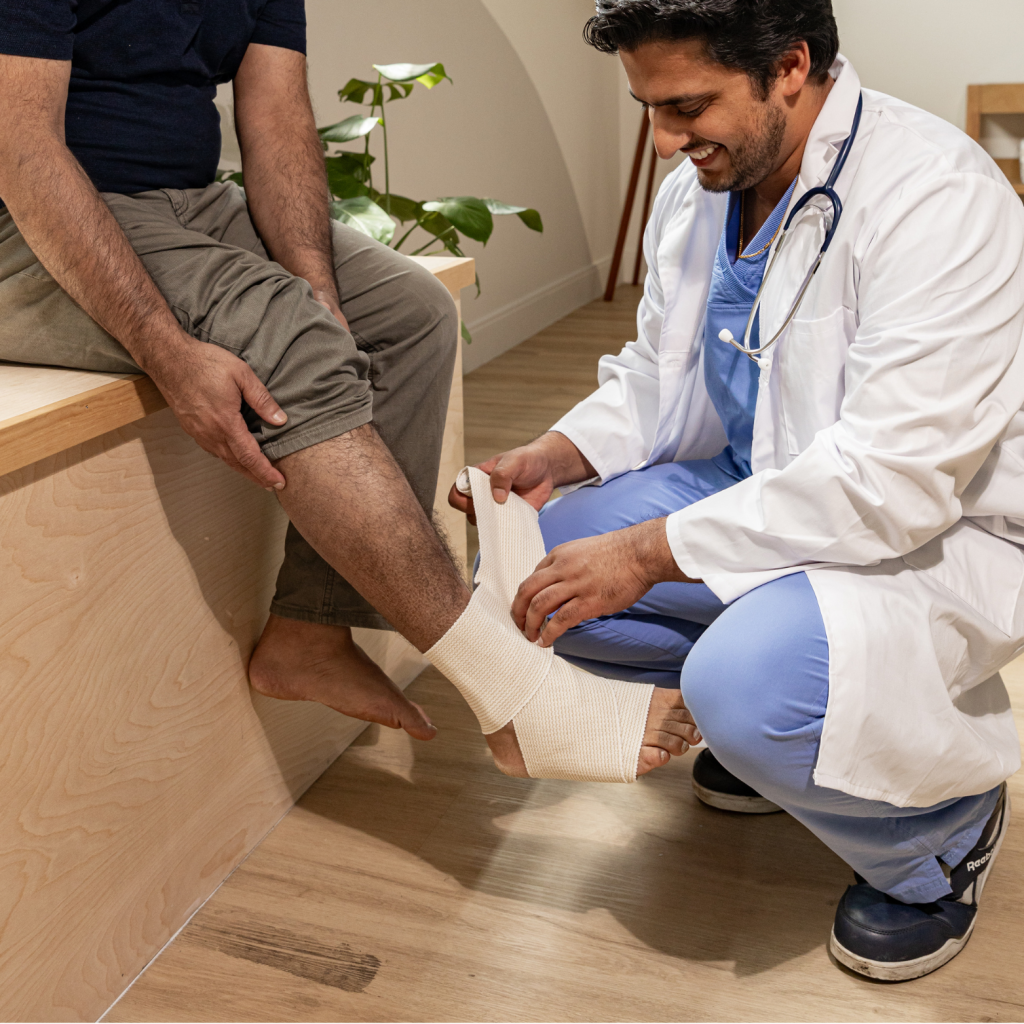
Chiropractors evaluate and treat injuries involving the spine, muscles, and joints. Early conservative care can help reduce pain, restore mobility, and improve recovery after many car accidents.
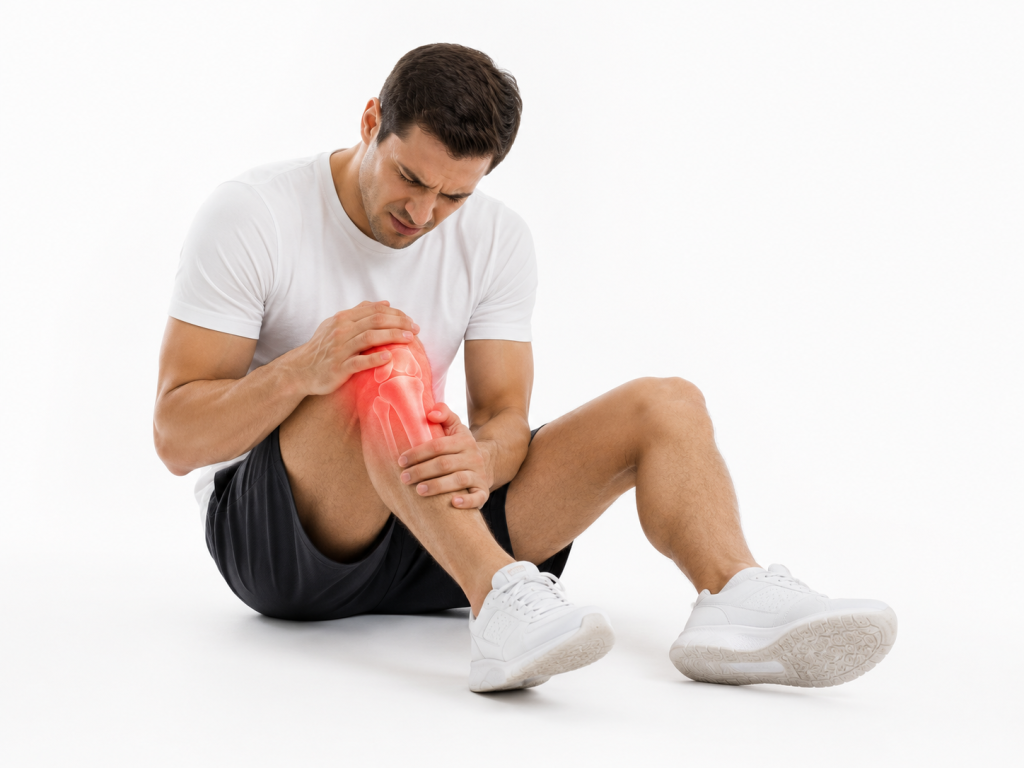
Orthopedic specialists diagnose and treat injuries affecting bones, joints, ligaments, tendons, and muscles. They provide advanced care when injuries require more than conservative treatment.
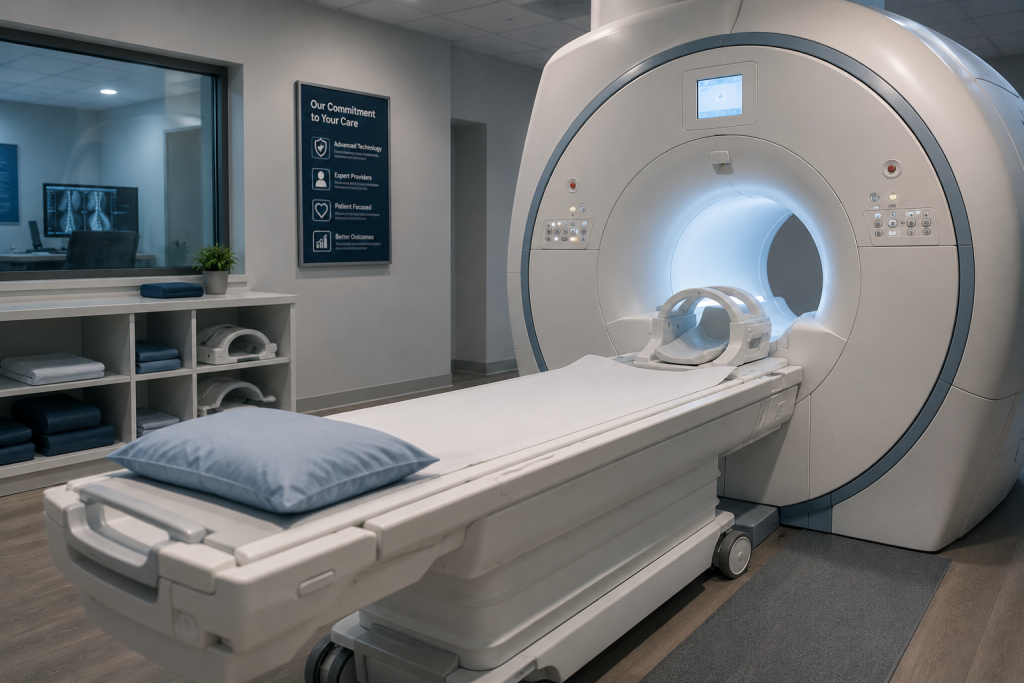
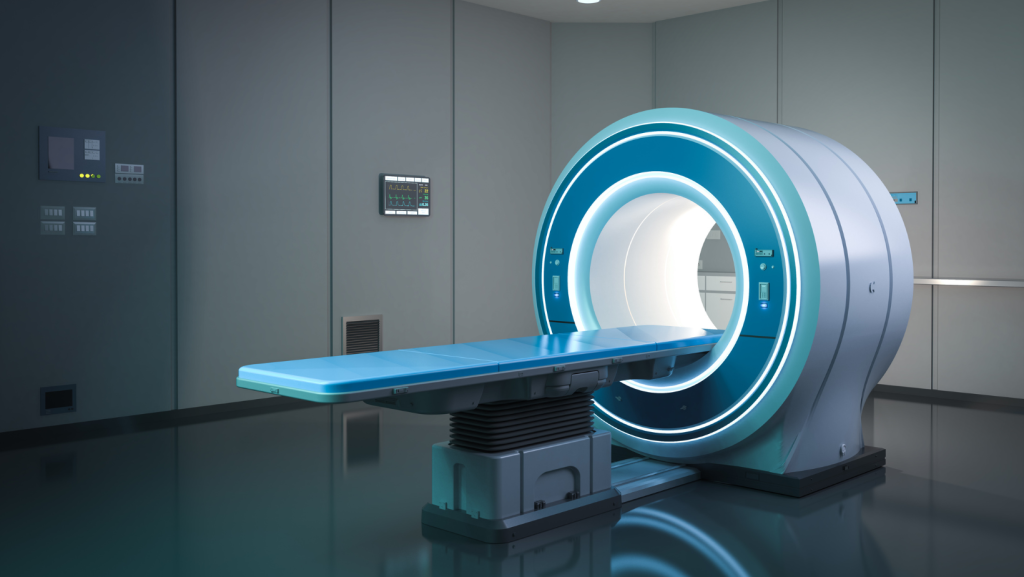
MRI scans can reveal injuries that may not appear on X-rays, including herniated discs, torn ligaments, and soft tissue damage. Early imaging often leads to faster and more accurate treatment.
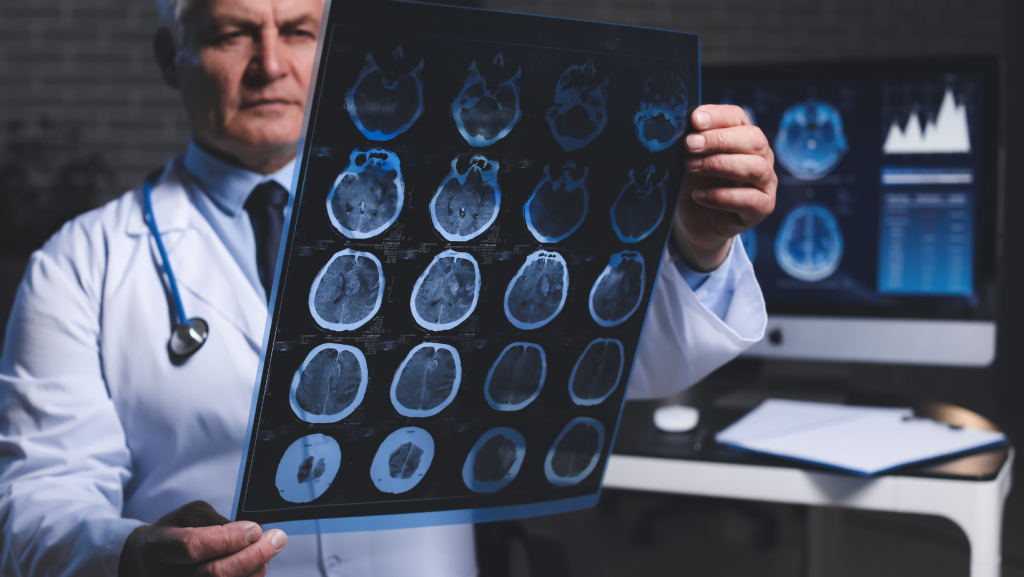
Neurologists evaluate injuries involving the brain, spinal cord, and nervous system, including concussions, headaches, numbness, dizziness, and nerve related symptoms after a crash.
COMMON CAR ACCIDENT INJURIES
Not every injury is immediately obvious after a car accident. Some symptoms develop hours or even days later. Learn about the most common injuries caused by motor vehicle collisions, recognize the warning signs, and understand when it’s time to seek medical care.
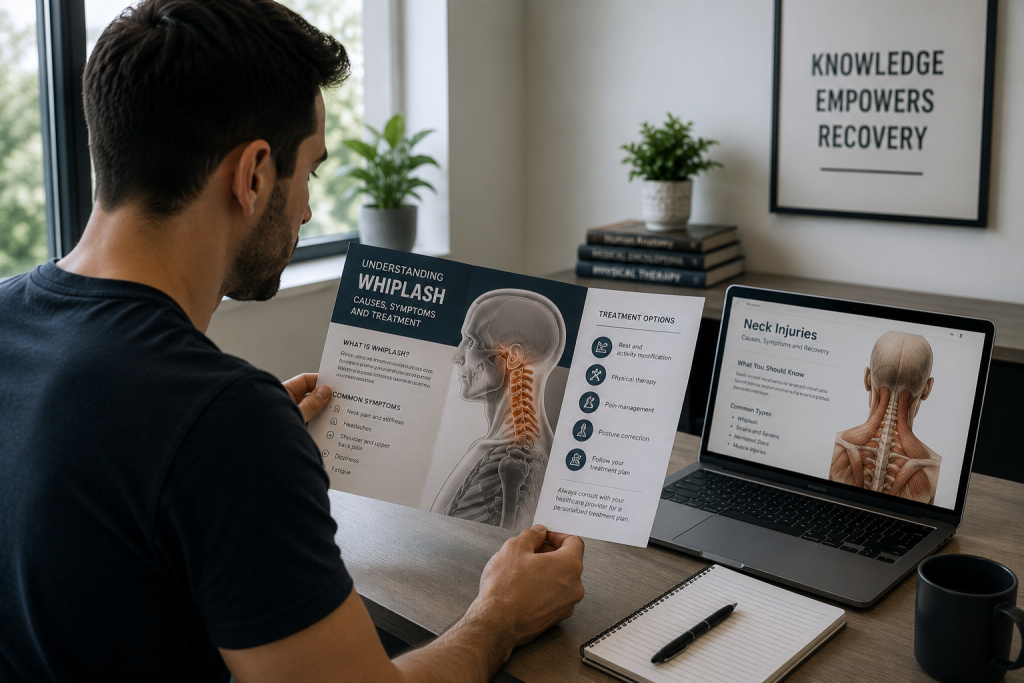
Whiplash is one of the most common injuries after a rear end collision. Neck pain, stiffness, headaches, and reduced range of motion may not appear until hours or days after the crash.
Car accidents can cause herniated discs, spinal sprains, muscle strains, and lower back pain. Early diagnosis can help prevent long term complications.
Even minor impacts can result in a concussion or traumatic brain injury. Symptoms may include headaches, dizziness, confusion, memory problems, and sensitivity to light.
Seat belts and impact forces commonly cause shoulder injuries such as rotator cuff tears, labral tears, sprains, and persistent pain after a crash.
Knees often strike the dashboard during a collision, leading to ligament tears, fractures, bruising, and long term joint pain.
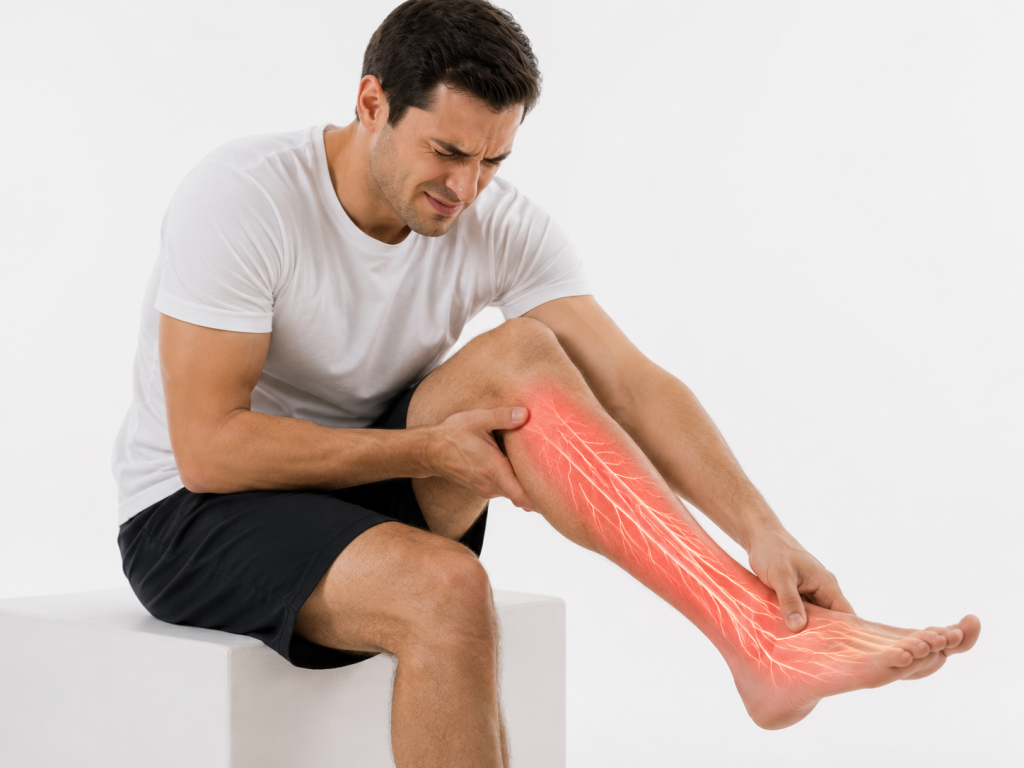
Pinched nerves and nerve damage may cause numbness, tingling, burning sensations, or weakness in the arms and legs after a car accident.
WE'RE HERE TO HELP
Find answers to the most common questions about medical
treatment, recovery, injuries, and finding care after a
Georgia car accident.
After a Georgia car accident, your first priority should always be safety. Check yourself and others for injuries, call 911 if anyone needs emergency medical attention, and report the accident to law enforcement. If it is safe to do so, take photos of the vehicles, road conditions, and any visible injuries. Exchange contact and insurance information with everyone involved, and seek medical evaluation as soon as possible, even if you feel fine. Some injuries may not appear until hours or days after the collision.
You should seek medical care as soon as possible after a car accident. Many injuries, including whiplash, concussions, muscle strains, and soft tissue injuries, may not cause immediate symptoms. Early evaluation helps identify hidden injuries, begins appropriate treatment, and creates an accurate medical record that documents your condition and recovery.
Yes. It is common for symptoms to develop several hours or even days after a collision. Neck pain, headaches, back pain, stiffness, numbness, dizziness, and soreness often appear after the body’s adrenaline wears off. If new symptoms develop, schedule a medical evaluation as soon as possible so the cause can be identified and treated appropriately.
Common car accident injuries include whiplash, back and spine injuries, concussions, shoulder injuries, knee injuries, fractures, nerve injuries, and soft tissue damage. The type and severity of an injury often depend on the speed of the collision, the direction of impact, and whether proper restraints were used.
Whiplash symptoms often include neck pain, stiffness, headaches, shoulder pain, reduced range of motion, and muscle tenderness. Symptoms may not appear immediately after a crash and can worsen over the following days. A healthcare provider can evaluate your symptoms, diagnose the injury, and recommend the most appropriate treatment plan.
An MRI may be recommended if your symptoms continue despite conservative treatment or if your doctor suspects injuries involving the spine, discs, ligaments, nerves, or other soft tissues. Unlike X-rays, MRI scans provide detailed images that can help diagnose injuries that may not otherwise be visible.
Many people begin treatment with a chiropractor after a car accident, particularly for neck pain, back pain, muscle strains, and reduced mobility. Chiropractic care may help improve movement, reduce pain, and support recovery as part of a comprehensive treatment plan. Your provider can determine whether additional specialists or imaging are necessary.
You should consider seeing an orthopedic specialist if you have persistent joint pain, suspected fractures, ligament injuries, shoulder pain, knee injuries, or symptoms that do not improve with conservative treatment. Orthopedic physicians specialize in diagnosing and treating injuries involving bones, joints, muscles, tendons, and ligaments.
A neurologist may be recommended if you experience headaches, dizziness, numbness, tingling, weakness, balance problems, memory issues, or symptoms suggesting a concussion or nerve injury. Neurologists evaluate conditions affecting the brain, spinal cord, and nervous system and can recommend additional testing or treatment when appropriate.
Recovery time varies depending on the severity of your injuries, your overall health, and the type of treatment you receive. Minor soft tissue injuries may improve within a few weeks, while more serious injuries involving the spine, joints, nerves, or fractures may require several months or longer. Following your treatment plan gives you the best opportunity for a successful recovery.
The right medical provider depends on your symptoms and injuries. Some patients benefit from chiropractic care, while others may need diagnostic imaging, orthopedic treatment, neurology, physical therapy, pain management, or other specialists. GeorgiaInjury.org helps you understand your treatment options and connect with healthcare providers throughout Georgia.
Yes. GeorgiaInjury.org helps people injured in Georgia car accidents learn about common injuries, understand available treatment options, and connect with healthcare providers throughout the state. Whether you need a chiropractor, orthopedic specialist, neurologist, MRI facility, or another medical provider, our goal is to help you make informed decisions about your recovery.
WE'RE HERE TO HELP
Whether you’re looking for medical care, trying to understand an injury, or simply have questions about recovering after a Georgia car accident, our team is here to point you in the right direction. Reach out today and we’ll help you find the information and resources you need.