GEORGIA CAR ACCIDENT CARE

Find a Car Accident Neurologist in Georgia

Connect with neurologists across Georgia who evaluate headaches, concussions, dizziness, numbness, memory problems, and other neurological symptoms after a car accident.

When Should You See a Neurologist After a Car Accident?

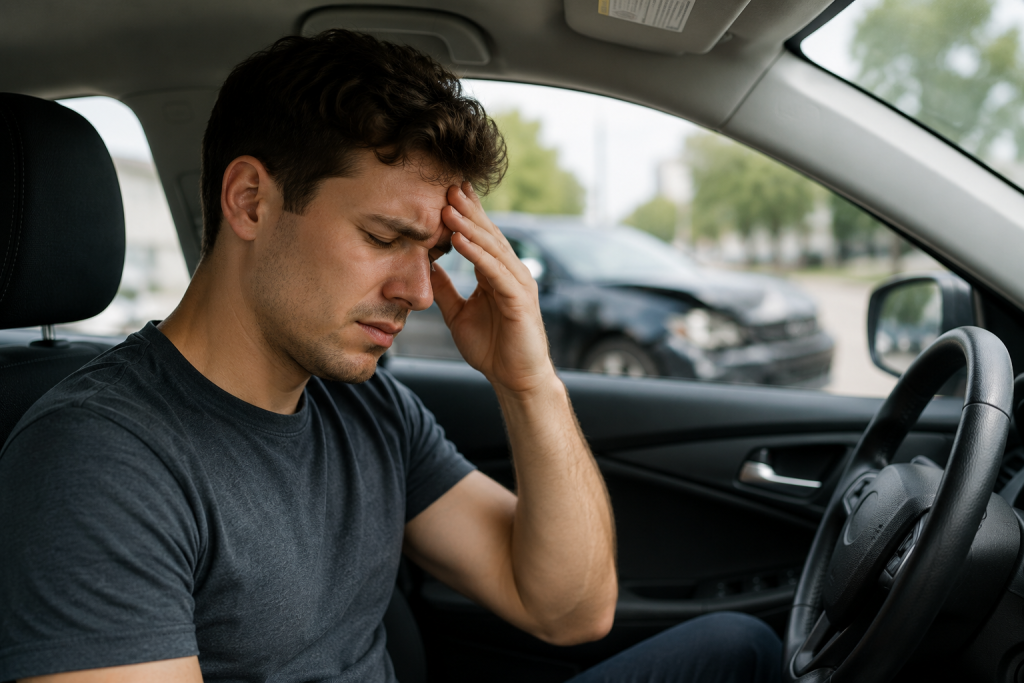
See a neurologist after a car accident if you have persistent headaches, dizziness, numbness, tingling, memory problems, confusion, or balance issues. These symptoms can signal a concussion or nerve injury, and they do not always appear right away. Some develop hours or days after the collision.

If you experience severe headache, repeated vomiting, loss of consciousness, seizures, or worsening confusion after an accident, seek emergency medical care immediately. For symptoms that linger or develop gradually, a neurological evaluation can identify the cause and guide your treatment.

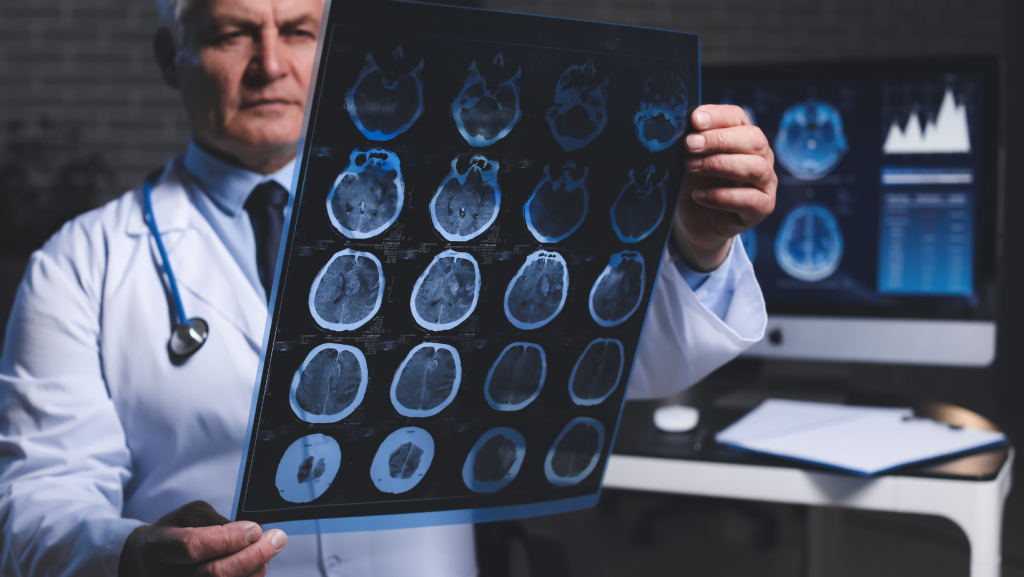
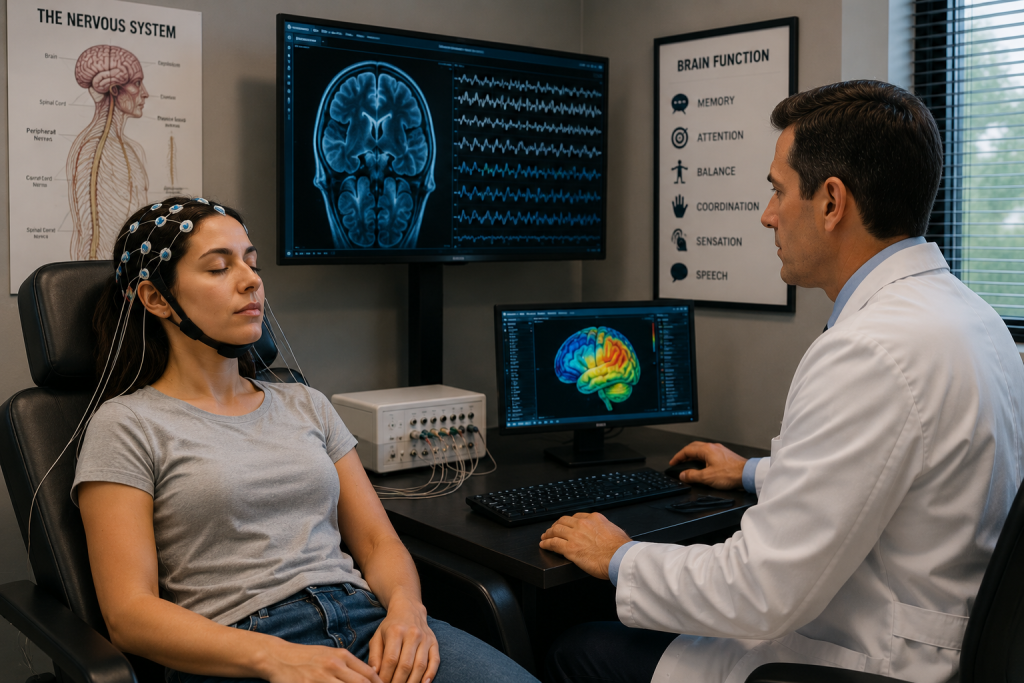
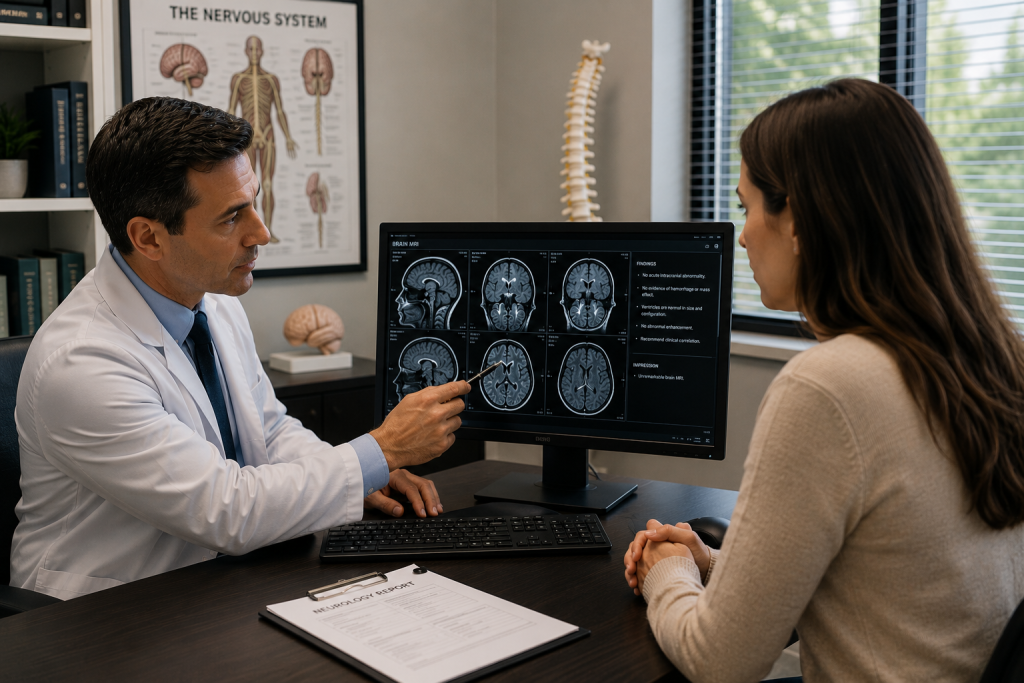
Neurologist reviewing brain imaging to evaluate concussion and neurological injuries after a Georgia car accident.
WHY NEUROLOGICAL CARE MATTERS

Why See a Neurologist After a Car Accident?

Even a minor car accident can cause trauma to the brain, nerves, and nervous system. Symptoms such as headaches, dizziness, numbness, memory problems, or difficulty concentrating may appear immediately or develop over time. A neurological evaluation can help identify accident related injuries, document your symptoms, and determine the appropriate next steps for treatment and recovery.

COMMON NEUROLOGICAL CONDITIONS

Common Neurological Symptoms After a Car Accident

Car accidents can affect the brain, nerves, and nervous system, even when symptoms are not immediately obvious. Neurologists evaluate persistent headaches, dizziness, memory problems, numbness, and other neurological symptoms to identify potential injuries and guide appropriate treatment.

YOUR FIRST APPOINTMENT

What to Expect During Your First Neurology Visit

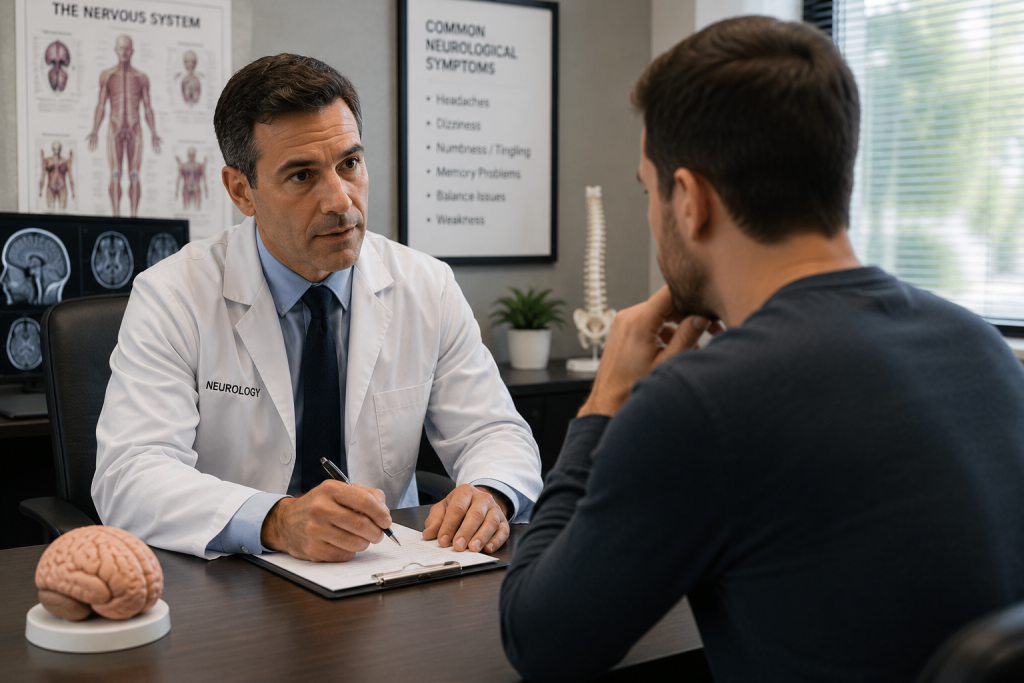
Your first neurology visit focuses on understanding your symptoms, evaluating how the accident may have affected your brain and nervous system, and determining the next steps in your care. From reviewing your symptoms and medical history to neurological testing and diagnostic recommendations, each step is designed to identify potential neurological injuries and support your recovery.

FREQUENTLY ASKED QUESTIONS

Questions About Neurology Care After a Car Accident

Neurological symptoms after a car accident can be confusing and may not always appear immediately. Below are answers to common questions about neurological evaluations, testing, symptoms, and what to expect during your care.

You should consider seeing a neurologist if you experience persistent headaches, dizziness, numbness, tingling, memory problems, confusion, balance issues, or other neurological symptoms after a car accident. Some symptoms may appear hours or days after the collision.

Yes. Concussion symptoms may be delayed and can develop hours or days after a car accident. Headaches, dizziness, sensitivity to light, fatigue, difficulty concentrating, and memory problems are common symptoms that may require medical evaluation.

Neurological symptoms after a car accident may include headaches, dizziness, numbness, tingling, weakness, balance problems, memory changes, difficulty concentrating, sensitivity to light or sound, and changes in sleep.

Yes. The force of a car accident can contribute to headaches caused by concussion, whiplash, nerve irritation, or other injuries. Persistent or worsening headaches should be evaluated by a medical professional.

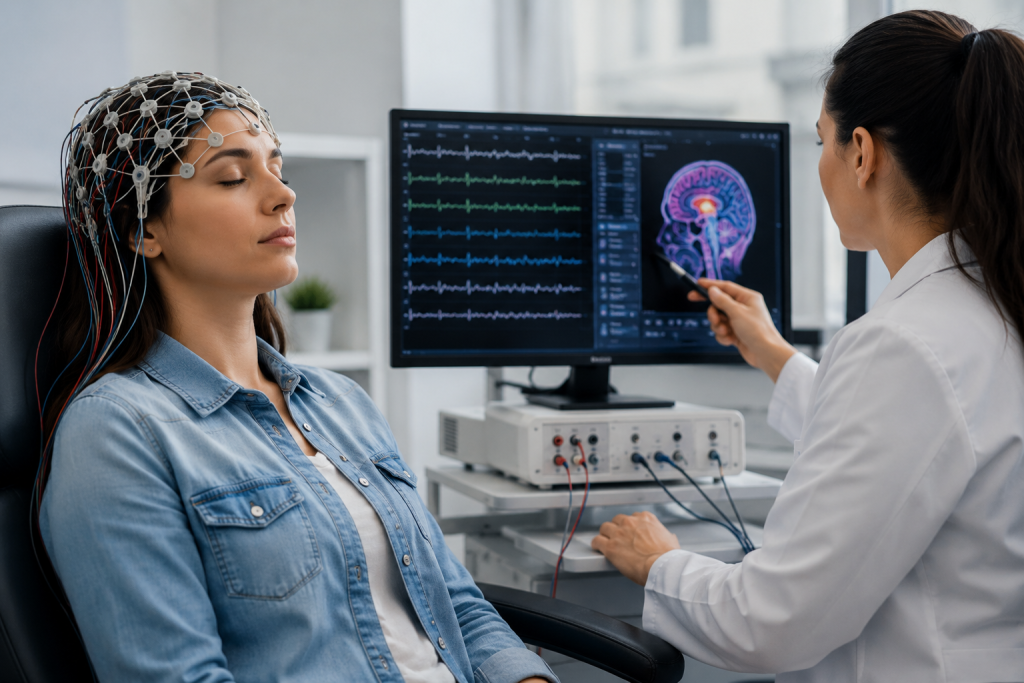
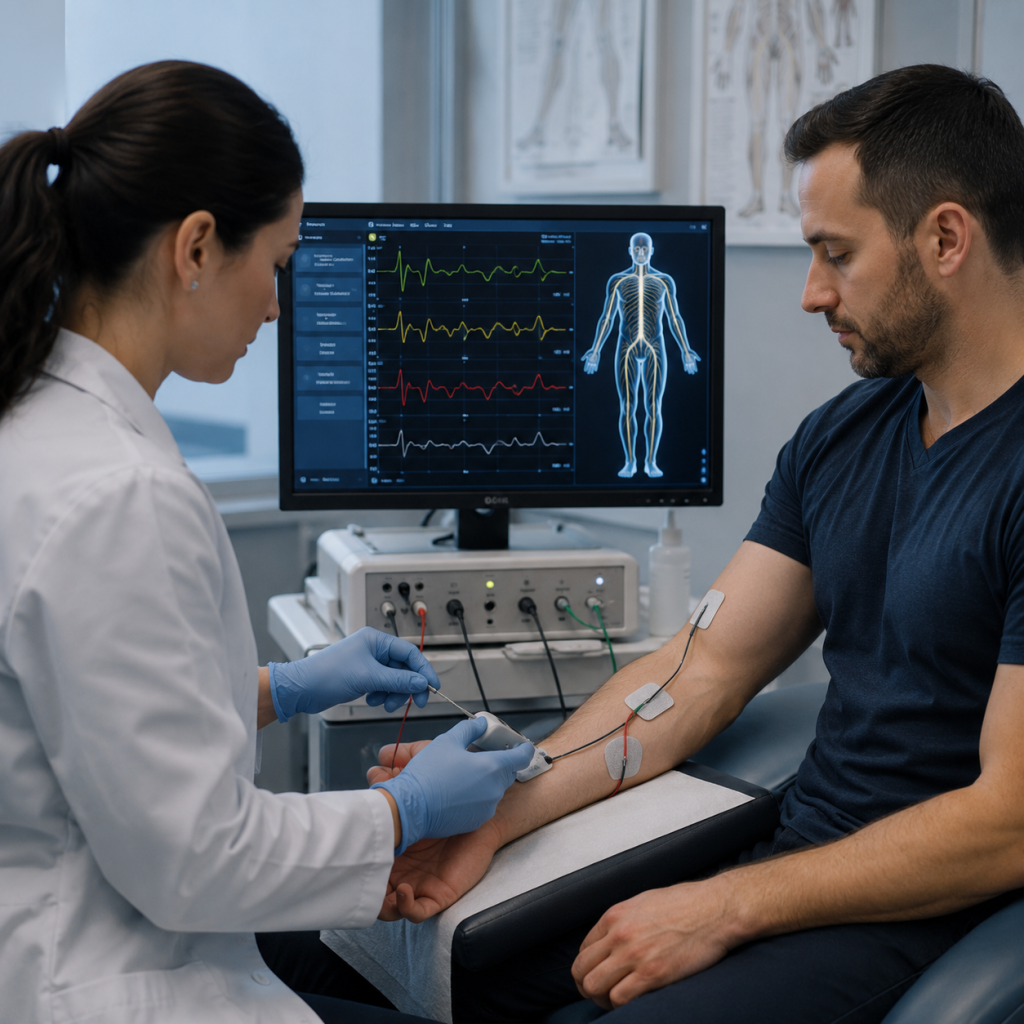
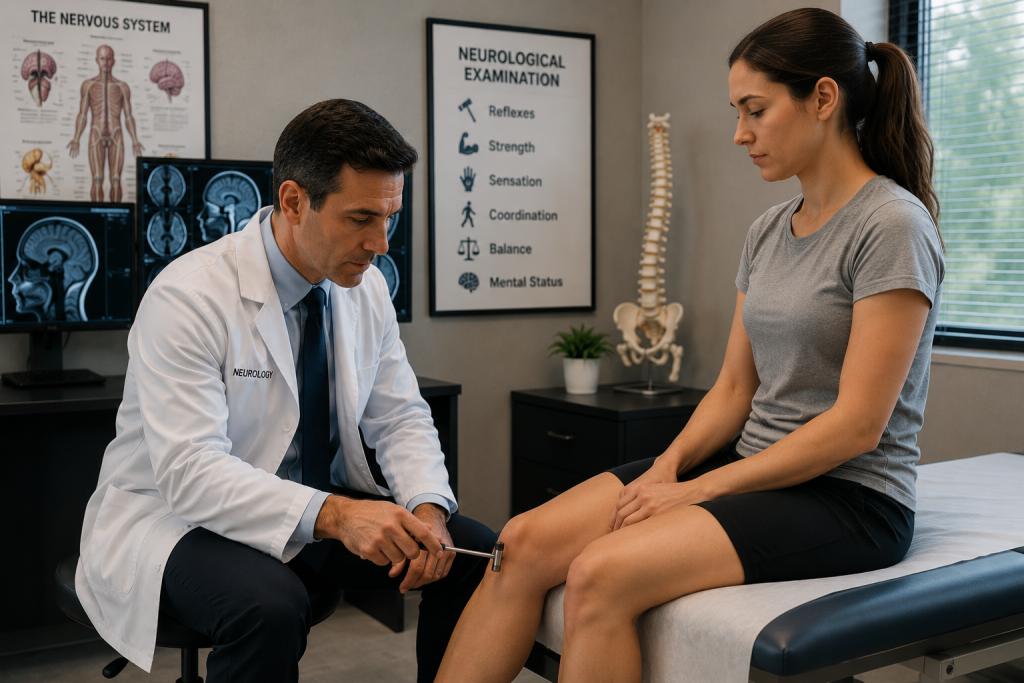
A neurologist may evaluate reflexes, strength, sensation, coordination, balance, memory, and cognitive function. Depending on your symptoms, additional diagnostic testing or imaging may also be recommended.

Yes. Memory problems, difficulty concentrating, mental fatigue, and feeling mentally foggy can occur after a concussion or other neurological injury. A neurological evaluation can help determine the possible cause of these symptoms.

Numbness or tingling may be associated with irritated or compressed nerves, spinal injuries, or other neurological conditions. The location and pattern of your symptoms can help a medical provider determine what may be causing them.

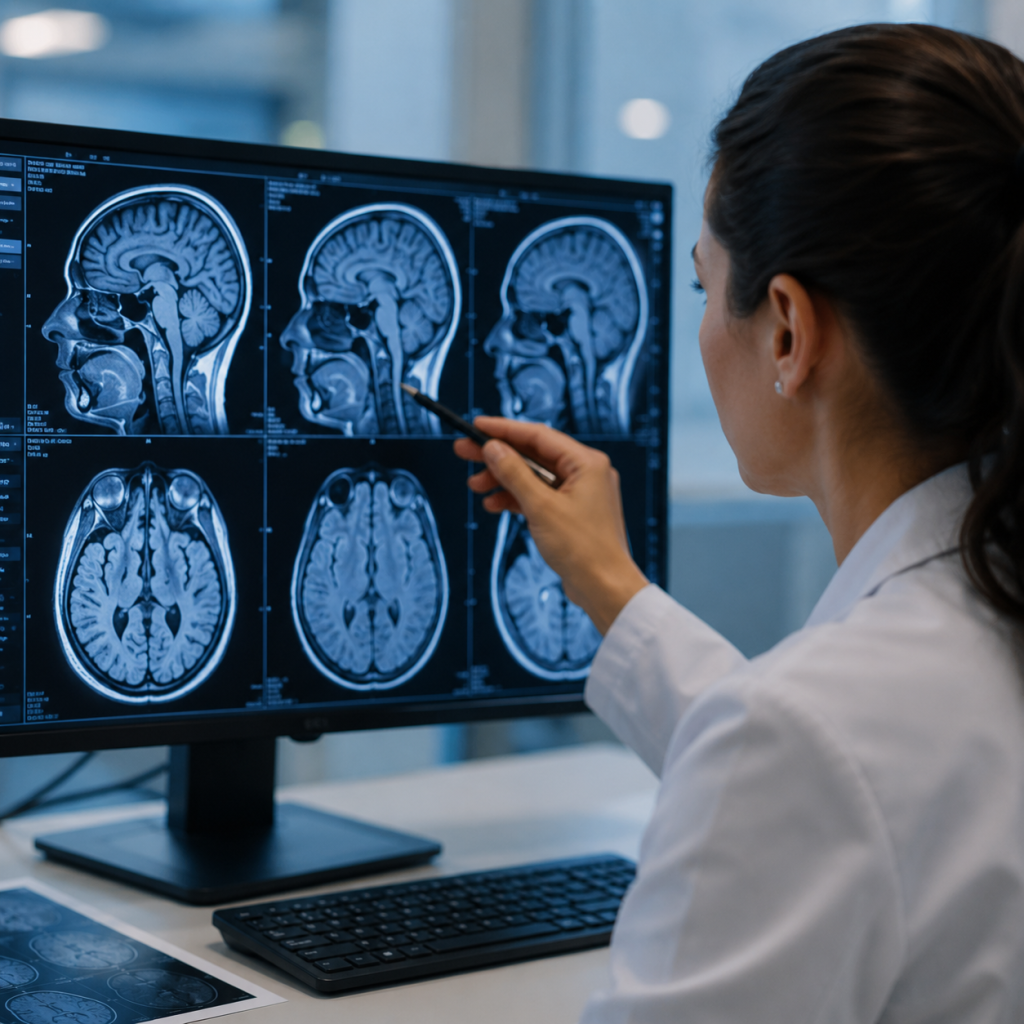
Brain imaging may be recommended when symptoms, examination findings, or the circumstances of the accident raise concern for a possible brain injury. A medical provider will determine whether CT, MRI, or other testing is appropriate.

Yes. Dizziness and balance problems may occur after a concussion, head injury, or other neurological condition related to a car accident. Persistent symptoms should be evaluated to determine their possible cause.

GeorgiaInjury.org helps connect injured individuals with neurological providers who evaluate symptoms following car accidents. Contact us to learn about available neurology care options in your area.

WE'RE HERE TO HELP

Contact
GeorgiaInjury.org

Whether you’re looking for medical care, trying to understand an injury, or simply have questions about recovering after a Georgia car accident, our team is here to point you in the right direction. Reach out today and we’ll help you find the information and resources you need.